
TL;DR:
- Cinco de Mayo commemorates the Battle of Puebla, a pivotal moment in Mexican history that highlights resilience and national pride.
- The day is rooted in Cinco de Mayo history and reflects deeper themes within Latin American history and Mexico’s fight for sovereignty.
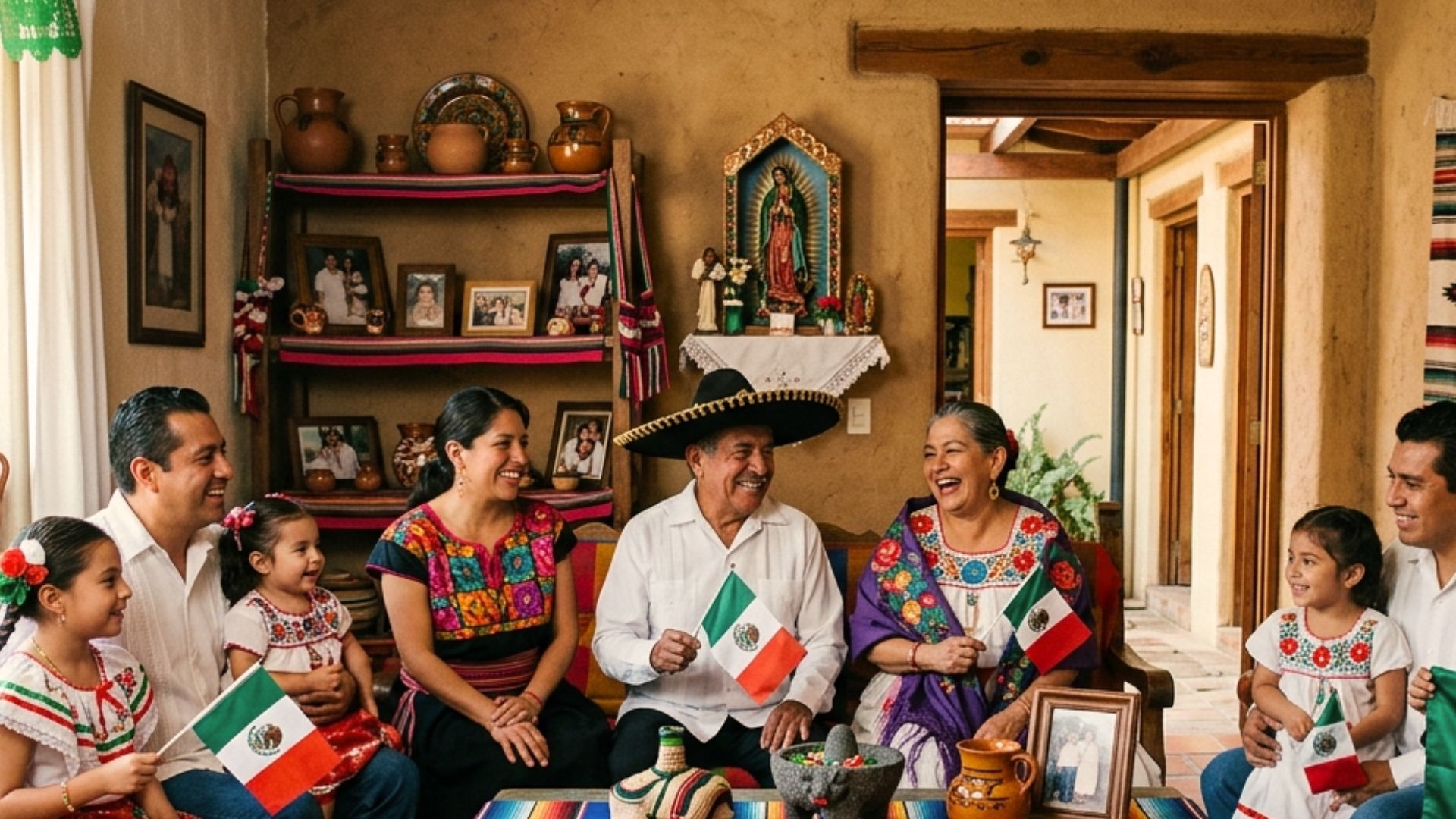
- Far beyond festivities, Cinco de Mayo celebrates Mexican culture, Mexican heritage, and enduring Mexican traditions passed through generations.
- As one of many cultural celebrations, it has grown into a global celebration, increasing cultural awareness worldwide.
- Today, Cinco de Mayo also represents historical events and evolving national identity, connecting tradition with modern appreciation of heritage.
Every year, Cinco de Mayo is marked by colorful celebrations, festive gatherings, and cultural events across the United States and beyond. But beyond the decorations and festivities, the holiday carries a deeper historical meaning rooted in resilience, identity, and Mexican history.
Understanding the true story behind Cinco de Mayo history helps shift the focus from celebration alone to cultural awareness and respect for the events that shaped it.
What Cinco de Mayo Really Commemorates
Contrary to a common misconception, Cinco de Mayo is not Mexico’s Independence Day. Instead, it marks the Battle of Puebla, which took place on May 5, 1862.
During this historic event:
- Mexican forces faced a significantly larger French army
- Despite the odds, Mexico achieved a surprising victory
- The win became a symbol of national resistance and unity
This moment in Latin American history is often remembered as a powerful example of determination against foreign intervention.
The Battle of Puebla: A Symbol of Resistance
The Battle of Puebla holds deep meaning in Mexican history because it represents more than a military victory, it reflects resilience during a time of national hardship.
While the victory did not end the French intervention in Mexico, it became a powerful symbol of:
- Courage under pressure
- National identity and pride
- Unity in the face of external threats
Over time, the battle evolved into a cultural reference point for strength and perseverance.
Mexican Culture and National Identity
In Mexico, Cinco de Mayo is primarily observed in the state of Puebla, where the battle occurred. It is not considered a major national holiday in most of the country, but it remains an important reminder of cultural resilience.
Within broader Mexican culture, the day highlights:
- Historical pride
- Preservation of traditions
- Respect for national heritage
- Reflection on shared identity
It is a moment to honor history, not just celebrate it.
How Cinco de Mayo Became a Global Celebration
Outside Mexico, especially in the United States, Cinco de Mayo has evolved into a wider cultural celebration of Mexican heritage and influence.
Over time, it has grown into:
- Festivals celebrating food, music, and dance
- Educational events about Mexican traditions
- Community gatherings highlighting cultural diversity
However, this global expansion has also led to misunderstandings about its original meaning, making cultural awareness especially important.
Cultural Awareness and Respectful Celebration
As Cinco de Mayo gained popularity globally, it also became important to separate celebration from misrepresentation.
Respectful observance includes:
- Learning the historical context
- Acknowledging Mexican heritage beyond stereotypes
- Appreciating cultural contributions meaningfully
- Avoiding oversimplification of complex history
Understanding the roots of the holiday helps transform it into an opportunity for education and appreciation.
Why Historical Events Still Matter Today
Events like the Battle of Puebla are not just moments in history, they help shape how societies understand resilience, identity, and unity.
Studying historical events like Cinco de Mayo allows us to:
- Better understand national identity formation
- Recognize cultural influence across borders
- Appreciate the struggles that shaped modern societies
History is not static, it continues to influence how we connect with one another today.
Lessons from Cinco de Mayo for Modern Life
Beyond its historical meaning, Cinco de Mayo offers broader lessons:
- Resilience matters in the face of challenges
- Cultural identity deserves recognition and respect
- Communities are strengthened through shared history
- Awareness builds understanding across cultures
These lessons extend beyond Mexico and into global conversations about identity and heritage.
More Than a Celebration
Cinco de Mayo is often seen as a festive day, but its true significance lies in its history and cultural meaning. It is a reminder of resilience, identity, and the importance of honoring the past with accuracy and respect.
As we celebrate, we also reflect, and in that reflection lies the real value of the day.