
TL;DR:
- Wisconsin Estate Planning during Memorial Day encourages families to reflect on their values, protect loved ones, and strengthen their long-term family legacy through proactive preparation.
- Thoughtful Memorial Day planning and family estate planning help ensure important decisions are documented through effective wills and trusts and customized trust planning strategies.
- Proper inheritance planning, organized beneficiary planning, and strong asset protection can reduce future stress while supporting smoother estate administration.
- Understanding estate law Wisconsin and using tools focused on probate avoidance helps families preserve assets and simplify legal processes for future generations.
- Coordinated legal planning and ongoing financial planning ensure your Wisconsin estate planning remains aligned with life changes, family goals, and lasting legacy intentions.
Memorial Day is often seen as the unofficial start of summer, filled with gatherings, travel, and time spent with loved ones. At its heart, however, the holiday is also a time of remembrance, an opportunity to honor those who came before us and reflect on the legacies they left behind.
For many families, Memorial Day can also serve as a meaningful reminder to think about the future. Wisconsin estate planning is ultimately about protecting the people we care about, preserving family values, and ensuring loved ones are supported when life changes unexpectedly.
Taking time to review or create an estate plan is one of the most important ways families can provide security and peace of mind for future generations.
Why Memorial Day Is a Meaningful Time for Estate Planning
Memorial Day naturally encourages reflection on family history, personal legacy, and long-term planning.
Many Wisconsin families use this season to:
- Reconnect with relatives
- Discuss future goals
- Review financial plans
- Organize important documents
- Reevaluate long-term wishes
Estate planning conversations are not always easy, but moments centered around family and remembrance often create the right opportunity to begin them.
What Wisconsin Estate Planning Actually Includes
Some people assume estate planning only applies to wealthy individuals or retirees. In reality, family estate planning benefits adults of all ages and income levels.
A comprehensive Wisconsin estate planning strategy may include:
- Wills and trusts
- Powers of Attorney
- Healthcare directives
- Guardianship planning
- Beneficiary planning
- Asset protection strategies
- Probate avoidance planning
These tools work together to help families maintain stability during difficult times.
Understanding the Difference Between a Will and a Trust
One of the most common questions families ask involves the difference between a Will and a Trust.
A Last Will and Testament
A Will outlines:
- Who receives assets
- Guardians for minor children
- Who manages the estate after death
However, a Will generally must pass through probate court Wisconsin before assets are distributed.
A Revocable Living Trust
A trust may help:
- Avoid probate
- Maintain privacy
- Simplify estate administration
- Manage assets during incapacity
Trust planning can be especially valuable for families with:
- Minor children
- Real estate
- Complex assets
- Blended family considerations
Wisconsin Marital Property Laws Matter
Wisconsin is a marital property state, meaning certain assets acquired during marriage may be jointly owned by spouses.
The Wisconsin Marital Property Act can affect:
- Asset distribution
- Inheritance rights
- Probate administration
- Estate tax planning
In particular, Survivorship Marital Property may automatically transfer to a surviving spouse outside probate.
Because these rules can significantly affect estate planning outcomes, it is important to ensure asset ownership aligns with overall family goals.
What Happens Without an Estate Plan?
When someone passes away without a valid estate plan, Wisconsin intestacy laws determine how assets are distributed.
This can create unintended outcomes, including:
- Delays during probate
- Family disputes
- Court involvement in guardianship decisions
- Distribution results that may not reflect personal wishes
Without legal planning, families may also face unnecessary stress during an already emotional period.
Planning for Incapacity Is Just as Important
Estate planning is not only about what happens after death. It also addresses what happens if someone becomes unable to make decisions during their lifetime.
Important incapacity planning documents include:
- Financial Power of Attorney
- Healthcare Power of Attorney
- Living Will or healthcare directives
Without these tools, loved ones may need to pursue guardianship proceedings through the Wisconsin courts to manage medical or financial decisions.
Estate Planning Considerations for Veterans and Military Families
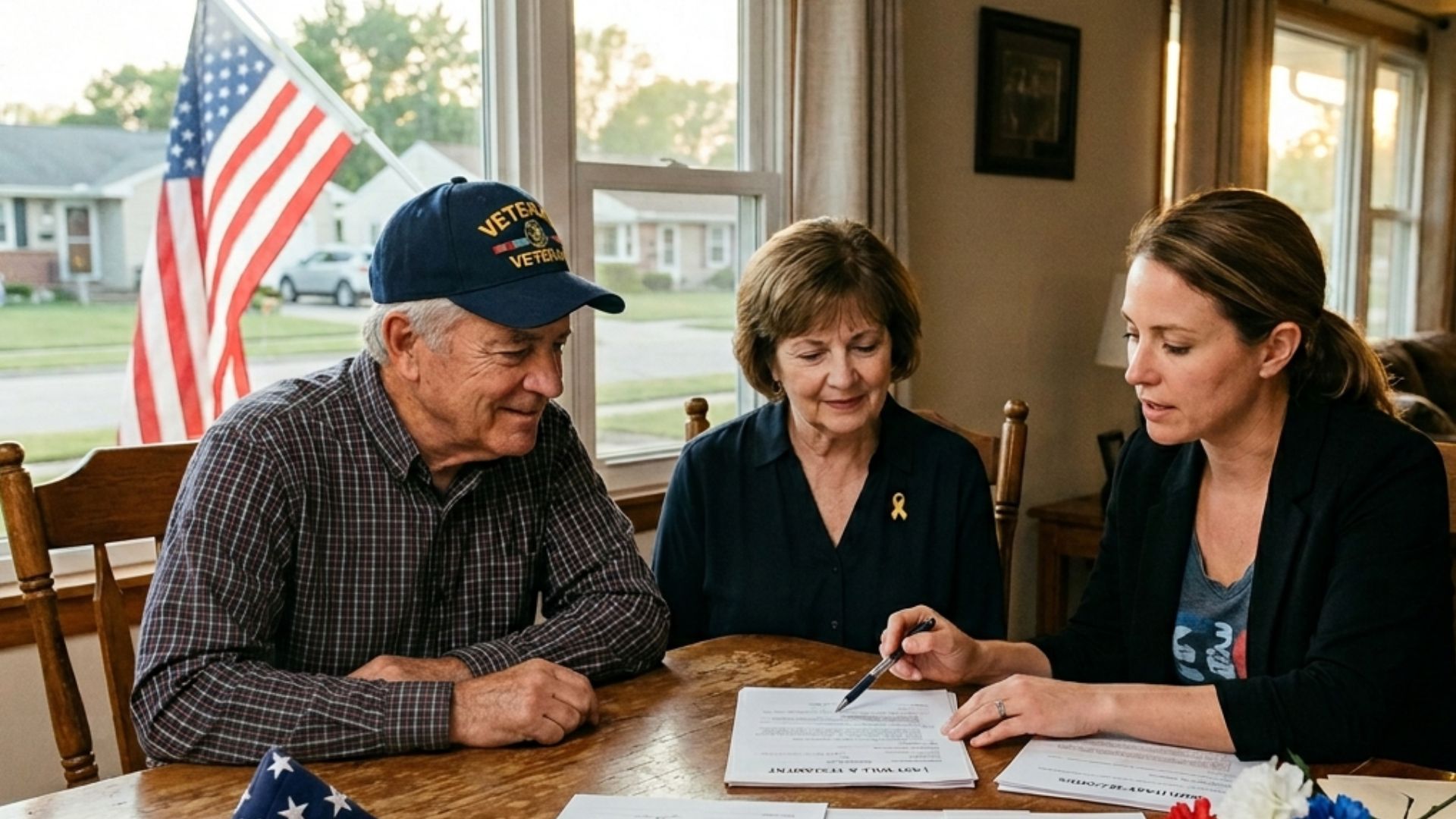
Memorial Day also reminds many families of the sacrifices made by veterans and service members.
Wisconsin veterans and their families may have unique estate planning considerations involving:
- Veterans benefits
- Long-term care planning
- Survivor benefits
- Disability planning
- Asset protection
Proper legal planning can help ensure eligible benefits are preserved and coordinated effectively within the estate plan.
Beneficiary Planning and Legacy Protection
Many important assets pass through beneficiary designations rather than through a Will.
This includes:
- Life insurance policies
- Retirement accounts
- Payable-on-death accounts
Outdated beneficiary forms can unintentionally override estate planning intentions.
Regular reviews help ensure inheritance planning remains aligned with current family circumstances and long-term goals.
Estate Planning Is About Family Legacy
At its core, Wisconsin estate planning is about more than legal documents. It is about protecting family legacy, preserving values, and creating stability for future generations.
Thoughtful planning can help families:
- Reduce uncertainty
- Avoid unnecessary probate complications
- Protect children and loved ones
- Preserve important assets
- Create peace of mind
Memorial Day serves as a powerful reminder that the decisions we make today can continue shaping our families long into the future.
A Good Time to Start the Conversation
Many families delay estate planning simply because they are unsure where to begin. Starting the conversation now, during a season focused on remembrance and family connection, can help ensure your wishes are clearly documented before unexpected situations arise. Even small planning steps today can create meaningful protection tomorrow.
Protect Your Family’s Future With Wisconsin Estate Planning
At Krause Estate Planning and Elder Law Center, we help Wisconsin families create personalized estate plans designed to protect loved ones, preserve assets, and honor family legacy.
Whether you are updating an existing plan or starting for the first time, our team can help you navigate the process with clarity and compassion.