
TL;DR:
- World Environment Day highlights how small acts of environmental awareness can contribute to meaningful progress in environmental protection and long-term sustainability.
- Everyday choices such as waste reduction, recycling, and adopting an eco friendly living approach help lower our carbon footprint and support responsible use of natural resources.
- Supporting green initiatives, renewable energy, and other sustainable practices strengthens global climate action and promotes greater environmental responsibility.
- Protecting ecosystems through conservation efforts and biodiversity conservation helps preserve the planet for future generations while advancing climate change awareness.
- World Environment Day reminds us that collective community action, ongoing environmental education, and a commitment to a green lifestyle can create lasting positive change worldwide.
Every year on June 5, people around the globe come together to recognize World Environment Day, a reminder that protecting our planet is not solely the responsibility of governments, corporations, or environmental organizations. Meaningful change often begins with small, everyday decisions made by individuals, families, and communities.
When people think about environmental protection, they may picture massive conservation projects or international climate agreements. While those efforts are important, many of the most effective changes start much closer to home. Small actions, repeated consistently over time, can reduce waste, conserve natural resources, and inspire broader community action.
World Environment Day serves as an opportunity to reflect on how simple choices today can help create a healthier, more sustainable future for generations to come.
Why World Environment Day Matters for Environmental Awareness
Since its establishment by the United Nations in 1972, World Environment Day has become one of the largest global platforms for environmental awareness.
The annual observance encourages individuals and organizations to consider their impact on the environment while promoting sustainability and environmental responsibility. Each year highlights a different environmental challenge, but the core message remains the same: collective action creates meaningful change.
Whether through conservation efforts, waste reduction, or climate action, people everywhere have opportunities to contribute to a healthier planet.
The importance of environmental education continues to grow as communities face challenges related to climate change awareness, biodiversity conservation, and the long-term stewardship of natural resources.
Small Sustainable Practices That Make a Big Difference
Many people assume that living sustainably requires dramatic lifestyle changes. In reality, some of the most effective sustainable practices are surprisingly simple.
Small actions may include:
- Reducing single-use plastics
- Recycling properly
- Conserving water
- Switching to reusable containers
- Using energy-efficient appliances
- Supporting local food producers
- Choosing environmentally conscious products
While one person’s efforts may seem insignificant, widespread adoption of these habits can significantly reduce environmental impact over time.
Sustainability often succeeds because of consistency rather than perfection. Small improvements made regularly can collectively create substantial benefits.
Reducing Your Carbon Footprint Through Everyday Choices
One of the most common topics associated with climate action is reducing our carbon footprint.
A carbon footprint refers to the greenhouse gas emissions generated by daily activities, including transportation, energy use, and consumption habits. While some sources of emissions may be difficult to eliminate entirely, many households can make meaningful improvements.
Examples include:
- Turning off unused electronics
- Improving home insulation
- Driving less when possible
- Carpooling or using public transportation
- Supporting renewable energy initiatives
- Choosing energy-efficient lighting
These eco friendly living practices not only benefit the environment but can often reduce household expenses as well.
Conservation Efforts and Protecting Natural Resources
Environmental protection extends beyond reducing waste. It also involves preserving the ecosystems and resources that support life.
Conservation efforts help protect:
- Forests
- Rivers and lakes
- Wildlife habitats
- Agricultural land
- Pollinator populations
- Biodiversity
Healthy ecosystems contribute to cleaner air, safer drinking water, stronger food systems, and greater resilience against environmental challenges.
Communities that prioritize conservation often experience benefits that extend well beyond environmental outcomes, including improved public health and enhanced quality of life.
Community Action Creates Lasting Environmental Change
Individual actions are important, but community action can amplify their impact.
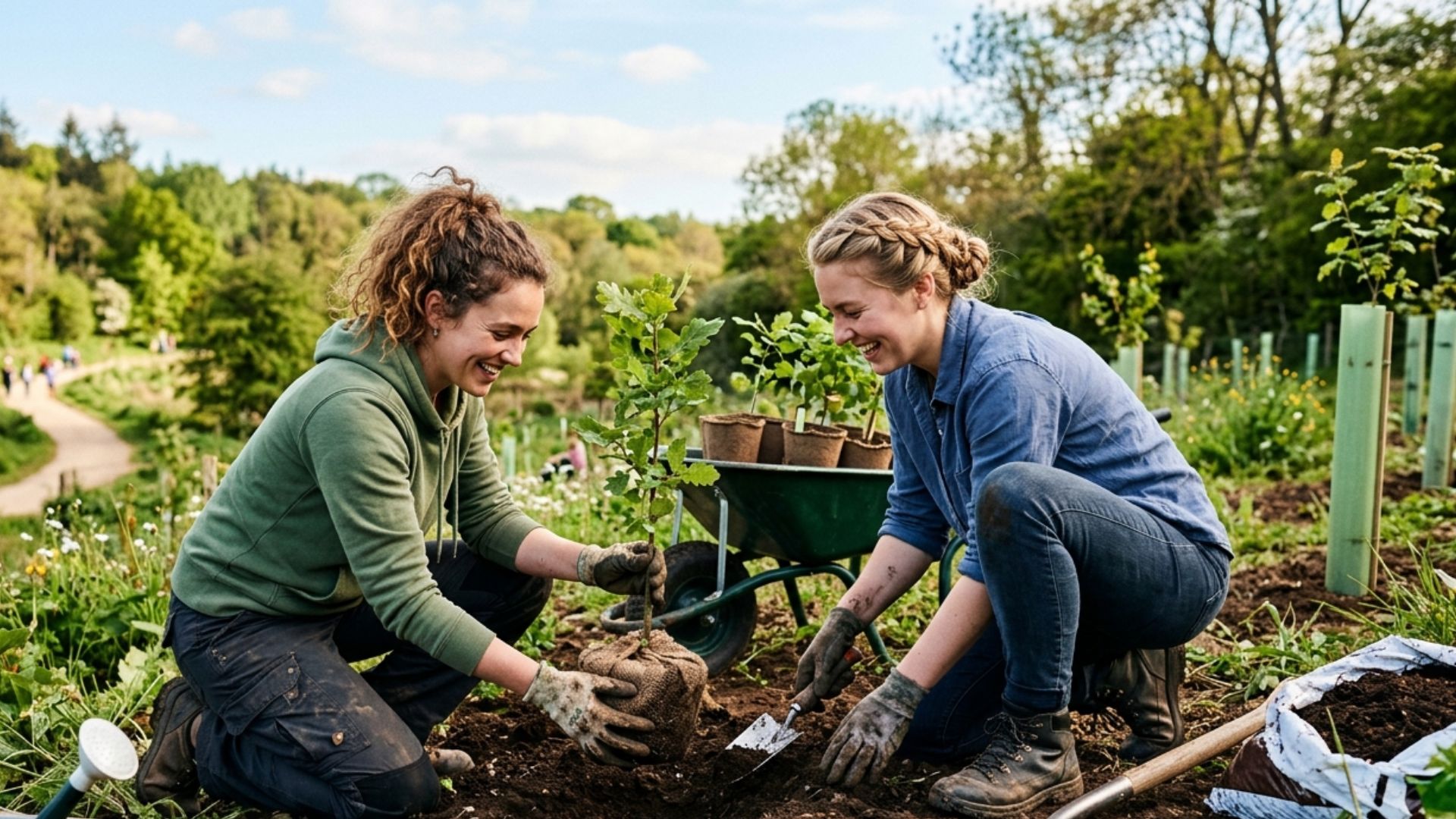
Neighborhood clean-up events, tree-planting initiatives, recycling programs, and environmental education campaigns demonstrate how local involvement can create visible improvements.
When communities work together toward common goals, sustainable practices become more accessible and widely adopted.
Children who grow up participating in environmental initiatives often carry those values into adulthood, helping build a culture of environmental responsibility that spans generations.
World Environment Day reminds us that positive change is not limited to large-scale projects. It can begin with a single conversation, volunteer opportunity, or commitment to improve daily habits.
The Connection Between Stewardship and Legacy
Environmental stewardship is ultimately about protecting the future.
The decisions we make today affect the world our children and grandchildren will inherit tomorrow. Whether preserving green spaces, reducing waste, or supporting sustainability efforts, each action contributes to a broader legacy of responsibility and care.
Just as families plan for future generations through financial and legal preparation, environmental stewardship reflects a commitment to leaving something valuable behind.
The concept of legacy extends beyond assets and property. It includes the values we model, the communities we strengthen, and the environment we help preserve.
Looking Ahead This World Environment Day
World Environment Day provides an opportunity to pause and consider how everyday choices influence the world around us.
No single person can solve every environmental challenge, but everyone can contribute to meaningful progress. Through sustainability, conservation efforts, recycling, environmental education, and responsible use of natural resources, individuals and communities can create lasting change.
The path toward a healthier environment is not built through one extraordinary action. It is built through millions of small decisions made every day by people who care about the future.
This World Environment Day, consider one simple change you can make. It may seem small today, but its impact could last for generations.
Creating a legacy involves more than financial planning, it includes the values and responsibilities we pass to future generations. If you’re ready to protect your family’s future and preserve what matters most, contact Krause Estate Planning & Elder Law Center to learn more about comprehensive estate planning solutions.