
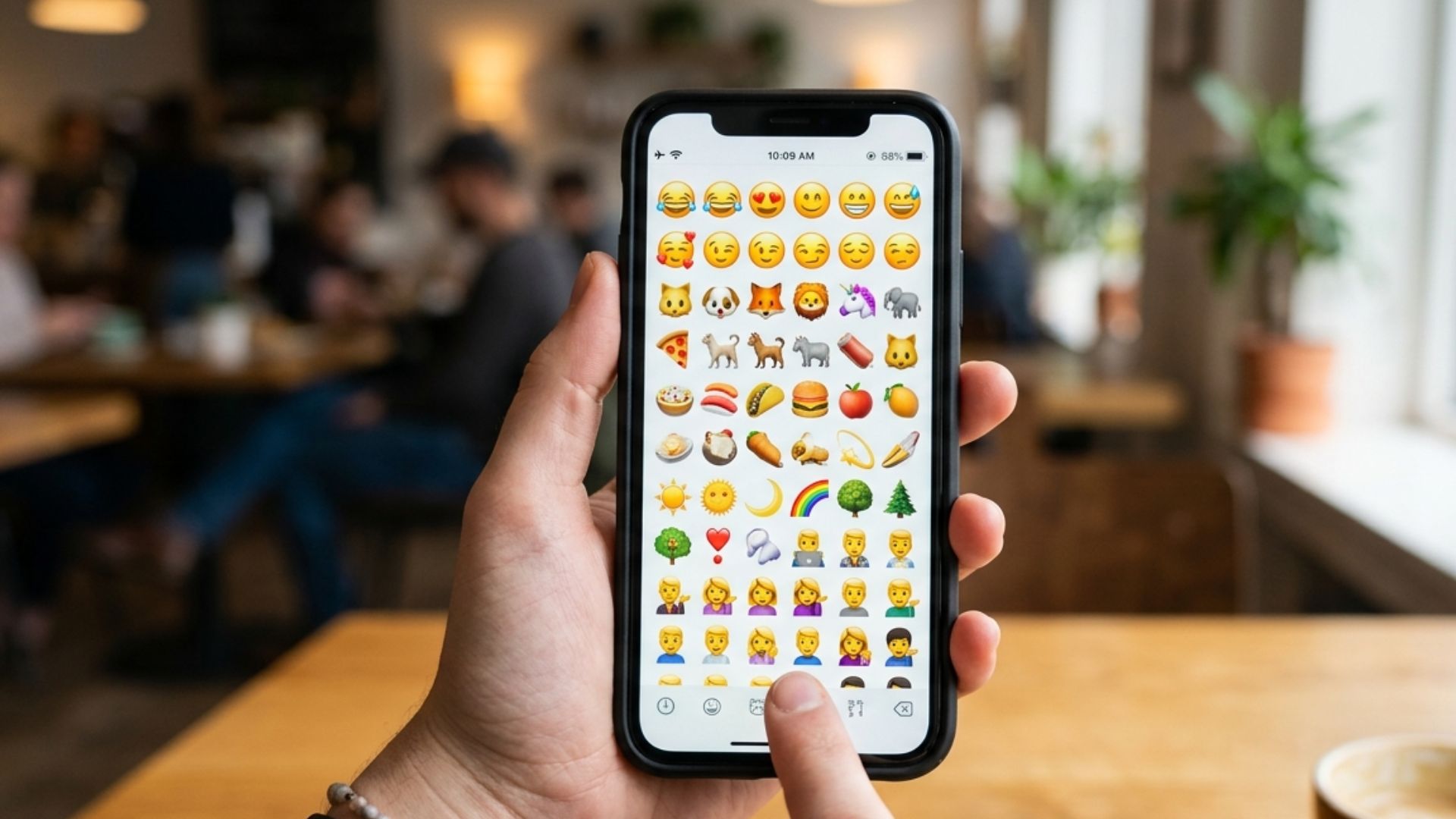
TL;DR:
- World Emoji Day celebrates how emojis have transformed digital communication, giving people a faster and more expressive way to add emotion, tone, and personality to everyday online interactions.
- From text messaging and online messaging to social media, emojis have become a universal visual language that helps people communicate across cultural and language barriers.
- The rise of emoji culture has reshaped internet culture, influencing online expression, digital language, and the way people participate in modern online conversations.
- As mobile communication and social media trends continue to evolve, these familiar digital symbols play an increasingly important role in visual communication and social interaction.
- World Emoji Day highlights how emojis have become a defining part of modern communication, reflecting changing communication trends while expanding the possibilities of internet language.
A single smiley face can soften a message. A thumbs-up can replace an entire sentence. A heart can express appreciation without a single word. These tiny digital symbols have transformed the way people communicate, making conversations faster, more expressive, and often more personal.
Celebrated every year on July 17, World Emoji Day recognizes the impact emojis have had on modern communication. What began as a simple collection of small icons has grown into a global visual language used across text messages, emails, social media platforms, and workplace chats.
While emojis may seem like a playful addition to digital communication, they reflect a much larger shift in how people connect, share ideas, and express emotions in an increasingly digital world.
The Origins of World Emoji Day
The modern emoji traces its roots back to the late 1990s, when Japanese designer Shigetaka Kurita created one of the first sets of digital icons for mobile communication.
As smartphones became more popular, emojis quickly spread across operating systems and messaging platforms. Their universal appeal helped overcome language barriers and made online conversations more expressive.
Today, thousands of emojis represent emotions, activities, food, animals, professions, flags, and countless everyday experiences, making them a central part of internet culture.
Why Emojis Became a Universal Language
Traditional text messaging has limitations.
Without facial expressions, tone of voice, or body language, written messages can sometimes be misunderstood.
Emojis help provide additional context by expressing:
- Happiness
- Humor
- Gratitude
- Excitement
- Sympathy
- Celebration
Although they cannot replace meaningful conversation, emojis often make digital communication feel warmer and more natural.
Their ability to cross language barriers has also contributed to their worldwide popularity.
How Emojis Changed Digital Communication
The rise of emojis has reshaped communication across nearly every digital platform.
Today they appear in:
- Text messaging
- Email conversations
- Social media posts
- Workplace messaging apps
- Online communities
- Marketing campaigns
Businesses, educators, nonprofit organizations, and public agencies all use emojis to create more engaging online interactions.
They have become an important part of modern communication and digital language.
Emojis and Social Media Trends
Social media helped accelerate emoji culture.
Platforms encourage fast, visual communication where users often react with symbols instead of lengthy comments.
Emojis now influence:
- Brand marketing
- Customer engagement
- Online storytelling
- Community building
- Viral trends
Many companies even incorporate emojis into advertising campaigns because they create immediate visual recognition and emotional connection.
As communication trends continue to evolve, emojis remain a familiar part of everyday online expression.
Do Emojis Replace Words?
Not entirely.
While emojis can communicate emotion quickly, they work best alongside clear written communication.
For example:
- A smile can reinforce friendliness.
- A celebration emoji can highlight good news.
- A heart can express appreciation.
- A thinking face can signal curiosity.
Used thoughtfully, emojis enhance communication rather than replace language altogether.
The most effective digital communication still depends on clarity, respect, and context.
The Cultural Impact of Emoji Language
Emoji culture has influenced far more than texting.
Researchers study emoji usage to better understand communication trends, while designers continually develop new symbols that reflect changing societies and cultures.
Annual emoji releases often include greater representation for:
- Diverse families
- Accessibility
- Cultural traditions
- Occupations
- Global communities
These additions demonstrate how visual language continues to evolve alongside the people who use it.
Why Visual Communication Continues to Grow
The internet has become increasingly visual.
Images, videos, icons, and emojis all compete for attention in today’s fast-moving digital environment.
Visual communication offers several advantages:
- Faster recognition
- Greater emotional expression
- Improved engagement
- Universal accessibility
- Simpler online interaction
As technology continues to advance, visual language will likely remain an essential part of digital communication.
The Importance of Clear Communication
Whether communicating with family, friends, coworkers, or professional advisors, clarity always matters.
While emojis can strengthen personal connections, important conversations often require thoughtful discussion and carefully prepared documents.
This is especially true when communicating legal wishes, healthcare decisions, or estate planning goals.
Clear communication today can help prevent misunderstandings tomorrow.
Celebrating World Emoji Day
World Emoji Day reminds us that communication is constantly evolving.
From handwritten letters to email, text messages, and emojis, every generation develops new ways to express ideas and stay connected.
Although the tools continue to change, the purpose remains the same: building relationships, sharing experiences, and helping others understand what matters most.
In the same way that emojis help clarify everyday conversations, thoughtful planning helps ensure your wishes are clearly understood when your family needs them most.
Good communication is about more than the messages we send today, it’s also about making sure our wishes are understood in the future. At Krause Estate Planning & Elder Law Center, we help Wisconsin families create clear, comprehensive estate plans that communicate their intentions with confidence. Contact us today to begin protecting your legacy with thoughtful planning.