
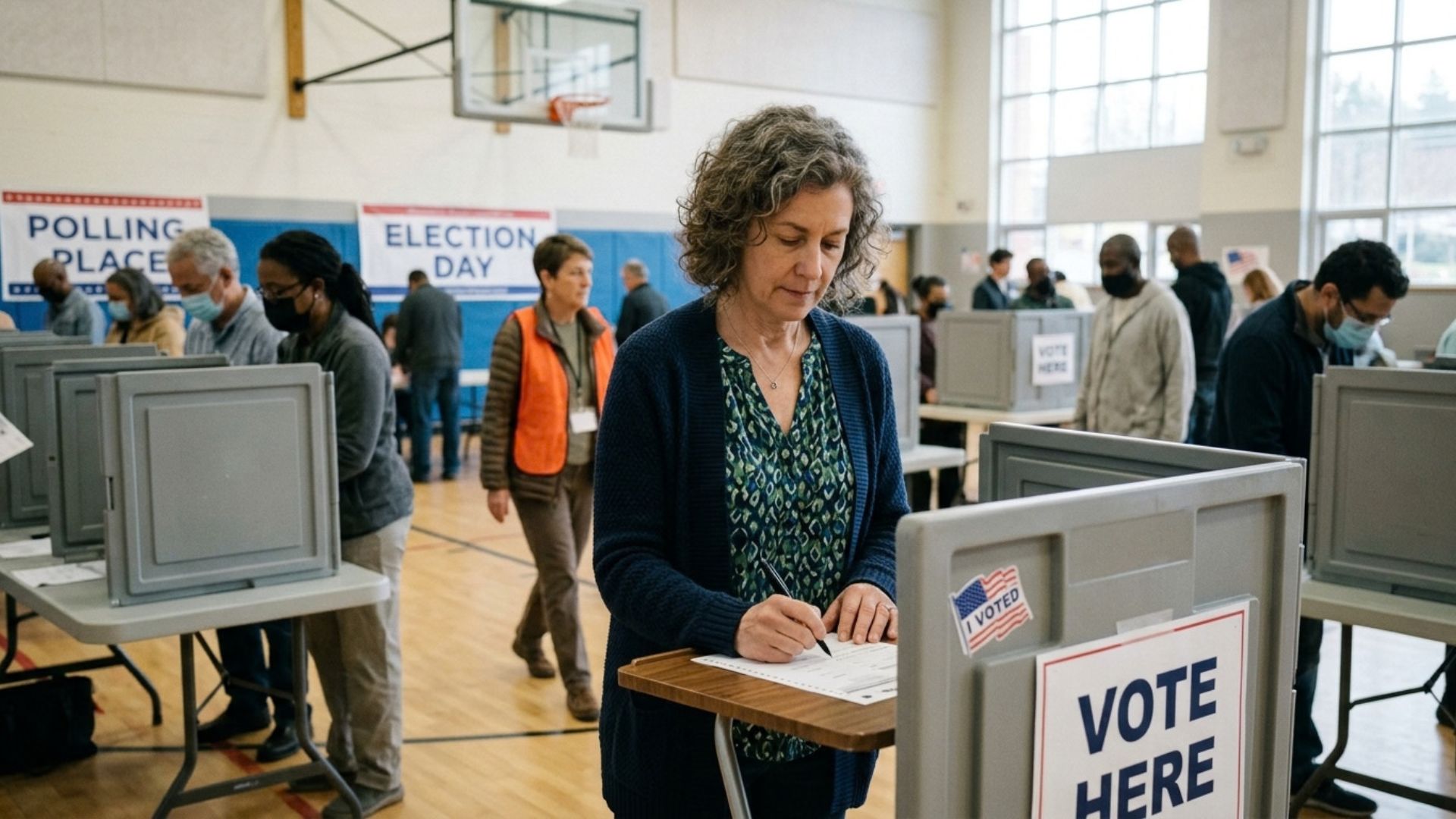
A democracy is measured by more than whether elections take place. It is also shaped by who can participate, whose voices are represented, and whether citizens have meaningful opportunities to influence the decisions affecting their lives.
That idea sits at the center of International Day of Democracy, observed each year on September 15. The United Nations General Assembly established the observance in 2007 to encourage awareness of democratic principles and participation. In 2026, the UN is emphasizing deliberative democratic processes and the importance of bringing diverse voices into public decision-making.
The history of democracy in America shows why inclusion matters. The right to vote expanded over generations through constitutional amendments, legislation, activism, and continued public engagement.
Democracy in America Did Not Begin With Universal Voting Rights
The Constitution created a representative system of government, but the original document adopted in 1787 did not itself define a universal right to vote.
Voting eligibility initially depended largely on state rules, and broad participation developed gradually.
The National Archives identifies several constitutional milestones that expanded voting rights over time:
- The 15th Amendment, ratified in 1870, prohibited denying voting rights because of race, color, or previous condition of servitude.
- The 19th Amendment, ratified in 1920, prohibited denying voting rights on the basis of sex.
- The 24th Amendment, ratified in 1964, prohibited poll taxes in federal elections.
- The 26th Amendment, ratified in 1971, lowered the voting age to 18 nationwide.
These changes illustrate a recurring theme in American history: democratic participation has expanded as the country reconsidered who should have a meaningful voice in government.
The Voting Rights Act and the Fight for Real Access
Constitutional rights do not always guarantee practical access.
Although the 15th Amendment had been ratified nearly a century earlier, Black Americans in many parts of the country continued facing literacy tests, intimidation, poll taxes, and other barriers to voting.
The Voting Rights Act of 1965 addressed many discriminatory voting practices and strengthened federal enforcement of constitutional voting protections. The National Archives describes the law as a landmark effort to enforce the 15th Amendment and remove practices that had prevented many Black citizens from voting.
The broader lesson is that political equality depends not only on having rights written into law, but also on whether people can meaningfully exercise them.
Inclusive Democracy Means More Than Casting a Ballot
Voting remains central to representative government, but civic participation extends beyond Election Day.
People participate in democracy when they:
- Attend public meetings
- Contact elected representatives
- Serve on local boards
- Volunteer in their communities
- Join civic organizations
- Learn about public policy
- Participate in peaceful advocacy
- Serve on juries
- Discuss competing ideas respectfully
The United Nations’ 2026 International Day of Democracy message emphasizes that democracy involves human rights, rule of law, dialogue, collaboration, and meaningful participation across civic and political life.
That broader definition matters because democratic institutions are strongest when citizens remain engaged between elections rather than viewing participation as something that happens only at the ballot box.
Equal Representation Requires Continued Attention
American voting history demonstrates that inclusion has rarely expanded automatically.
Women campaigning for suffrage spent decades organizing, petitioning, marching, lobbying, and sometimes facing arrest before the 19th Amendment was ratified in 1920.
Similarly, the civil rights movement placed voting access at the center of its campaign for political equality during the 1950s and 1960s.
These movements involved people with different strategies and political perspectives, but they shared a fundamental argument: representative government works best when citizens are able to participate meaningfully.
Modern debates about voter access, election administration, districting, election security, and voting procedures can involve legitimate disagreements about how democratic systems should operate. International Day of Democracy offers an opportunity to remember the underlying principle beneath those debates: democratic institutions depend on both public participation and public confidence.
Civic Engagement Begins Close to Home
National elections receive enormous attention, but democracy is also practiced locally.
School boards, municipal governments, county officials, judges, state legislators, and community organizations make decisions that directly affect families.
Participation at that level can include something as simple as learning about a local issue, attending a public meeting, or helping a younger family member understand how government works.
That is how democratic values become generational rather than theoretical.
Passing Civic Values to the Next Generation
Families pass down more than property.
Parents and grandparents also transmit stories about military service, immigration, community leadership, public service, civil rights, volunteering, elections, and the responsibilities of citizenship.
Estate planning can preserve those stories alongside financial assets.
A legacy letter, family history, charitable plan, or carefully organized estate can help future generations understand not only what they inherited, but also the values that shaped the people who came before them.
For some families, civic participation is part of that legacy.
International Day of Democracy Is a Reminder to Participate
The United Nations designated September 15 as International Day of Democracy to encourage awareness and support for democratic principles around the world.
The American experience demonstrates that democracy is not static. Voting rights, citizen participation, and representative institutions have evolved through constitutional change, legislation, court decisions, civic activism, and generations of public involvement.
The lesson is not that democratic systems are ever finished.
It is that participation matters.
Every generation inherits institutions built by the people before it. What happens next depends on whether citizens continue engaging with them, improving them, and helping others understand why their voices matter.
A legacy is made from more than property. It can include the values, experiences, traditions, and civic principles you want future generations to remember. Krause Estate Planning & Elder Law Center helps Wisconsin families create thoughtful estate plans that preserve both financial assets and the story behind them. Contact us today to discuss wills, trusts, beneficiary planning, and a legacy plan built around what matters most to your family.
TL; DR:
- Democracy in America is strengthened when voting rights, voter access, and equal representation are protected, giving more people a meaningful role in shaping a truly representative government.
- International Day of Democracy highlights the importance of inclusive democracy, political inclusion, and political equality, reminding societies that strong democracies depend on broad and fair participation.
- Active civic participation, civic engagement, and citizen participation help sustain healthy democratic institutions by encouraging people to stay informed, vote, organize, and contribute to public life.
- The history of civil rights and expanding voting access shows how democracy in America has continually evolved toward wider electoral participation and stronger protections for underrepresented communities.
- By promoting democratic values, public participation, constitutional democracy, and accountable democratic governance, societies can build institutions that are more inclusive, responsive, and representative of the people they serve.