
TL;DR:
- National Gardening Day highlights the growing awareness of gardening benefits, showing how home gardening and outdoor activities contribute to a healthier wellness lifestyle.
- Engaging in gardening tips and plant care supports both mental health and physical wellbeing, making it a natural form of everyday self-care.
- Activities like digging, planting, and maintaining gardens promote fitness activities that improve strength, mobility, and overall healthy living.
- As a form of nature therapy, gardening is widely recognized in horticulture for reducing stress and enhancing stress relief through connection with nature.
- National Gardening Day also encourages sustainable living, inspiring people to adopt greener habits that benefit both personal wellbeing and the environment.
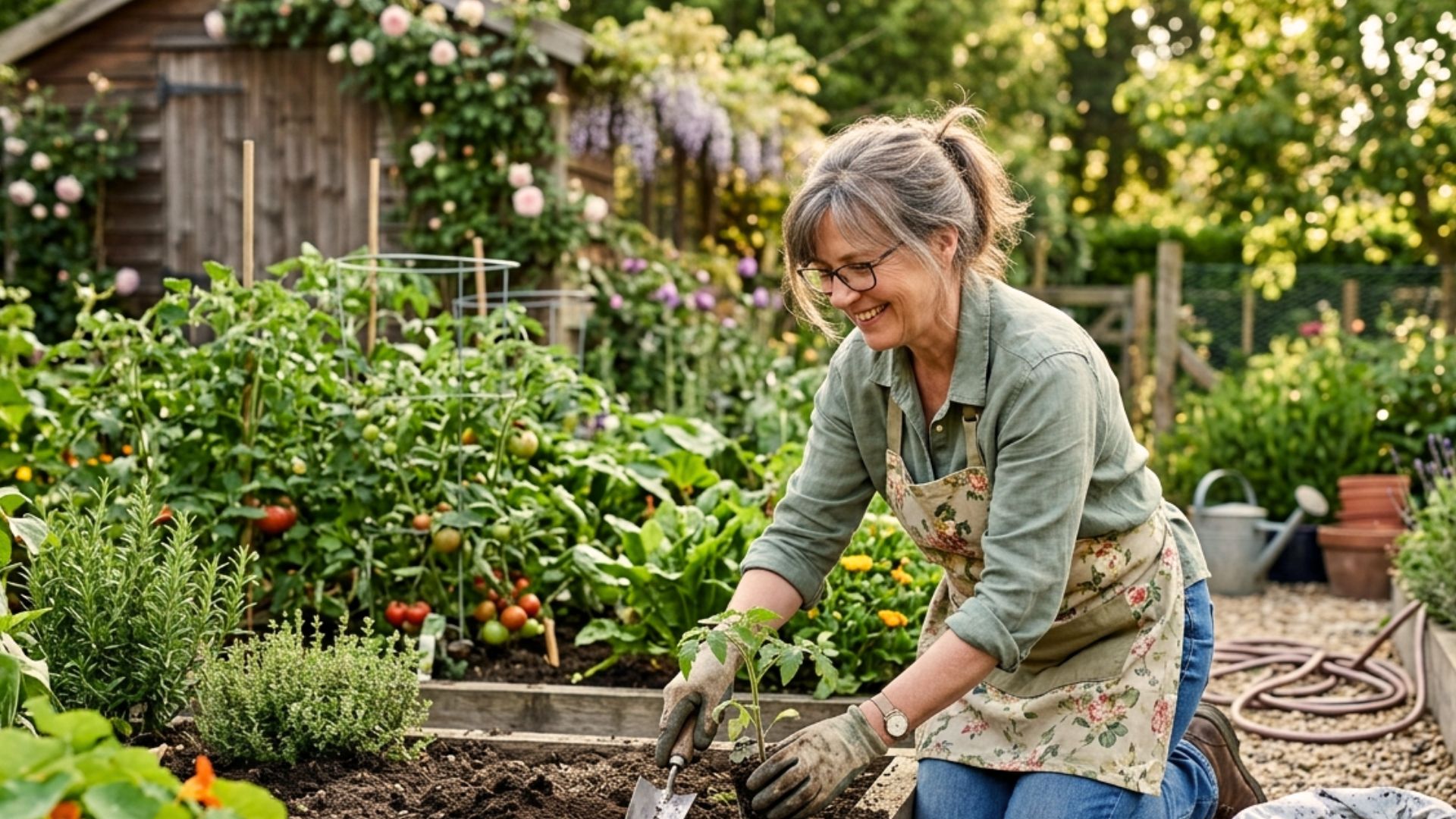
National Gardening Day is more than a celebration of flowers and greenery, it’s a reminder of how deeply connected we are to nature. In a fast-paced world, home gardening offers a simple yet powerful way to improve mental health, strengthen physical wellbeing, and create a more balanced wellness lifestyle.
Whether you’re tending a backyard garden, balcony plants, or indoor pots, gardening can become a meaningful part of everyday healthy living.
Why National Gardening Day Matters for Wellness
National Gardening Day encourages people to reconnect with nature through hands-on outdoor activities. Gardening is one of the most accessible forms of nature therapy, offering benefits that extend far beyond aesthetics.
At its core, gardening combines:
- Movement and light exercise
- Mindful focus and relaxation
- A sense of purpose and accomplishment
This combination makes it a powerful tool for both mental health and physical vitality.
Gardening Benefits for Mental Health and Stress Relief
One of the most well-documented gardening benefits is its positive impact on mental health.
Stress Reduction Through Nature Therapy
Spending time in nature has been shown to reduce cortisol levels, helping the body manage stress more effectively. Gardening enhances this effect by engaging both mind and body.
Key emotional benefits include:
- Reduced anxiety and stress
- Improved mood and emotional balance
- Increased sense of calm and mindfulness
Working with plants encourages presence and patience, making it a natural form of stress relief.
Physical Wellbeing Through Gardening Activities
Gardening is also a surprisingly effective form of low-impact exercise.
How Gardening Supports Physical Health:
- Digging, planting, and weeding improve strength
- Carrying soil and tools builds endurance
- Bending and stretching improve flexibility
These movements contribute to overall physical wellbeing while remaining gentle on the body.
As a result, gardening can be a sustainable way to stay active without needing structured workouts, making it ideal for all ages.
Home Gardening and Healthy Living Habits
Home gardening encourages healthier daily routines and long-term lifestyle changes.
People who garden often:
- Spend more time outdoors
- Develop consistent routines
- Become more aware of food sources and nutrition
Growing fruits, vegetables, or herbs can also support healthy living by improving access to fresh, organic produce.
This connection between gardening and food fosters a deeper appreciation for sustainable living and mindful consumption.
Gardening as a Form of Fitness Activity
While it may not look like traditional exercise, gardening is a full-body activity.
Physical engagement includes:
- Squatting and lifting
- Repetitive hand movements
- Walking and carrying materials
These actions make gardening a practical form of fitness activity, especially for individuals looking for moderate, enjoyable movement.
Unlike gym routines, gardening often feels rewarding rather than structured, which helps with long-term consistency.
Plant Care and Horticulture Skills for Beginners
Getting started with gardening doesn’t require expert knowledge, just curiosity and consistency.
Simple gardening tips:
- Start with low-maintenance plants
- Learn basic watering schedules
- Understand sunlight needs
- Use quality soil and compost
Over time, learning plant care and basic horticulture skills becomes a rewarding hobby that grows alongside your garden.
Even small successes, like a thriving plant or blooming flower, contribute to emotional satisfaction and confidence.
Gardening and Sustainable Living
Gardening also plays an important role in environmental awareness.
Through sustainable living practices like composting and water conservation, gardeners can:
- Reduce household waste
- Support local ecosystems
- Grow food more responsibly
This connection to the environment reinforces a sense of purpose and responsibility, deepening the emotional benefits of gardening.
The Long-Term Impact of Gardening on Wellbeing
Over time, consistent gardening can lead to:
- Improved mood stability
- Better physical mobility
- Stronger connection to nature
- Reduced reliance on screens and indoor routines
These long-term effects make gardening more than a hobby, it becomes a lifestyle choice that supports holistic wellness.
Grow Wellness One Plant at a Time
National Gardening Day is a reminder that small, consistent actions can lead to meaningful improvements in both mind and body.
By embracing gardening, you can:
- Reduce stress and improve mental clarity
- Stay physically active in a natural way
- Build a healthier, more balanced lifestyle