
TL;DR:
- National Cheese Day celebrates the rich cheese history that spans thousands of years, highlighting how cheese making became an essential part of cultures around the world.
- Different regions developed unique cheese varieties shaped by local ingredients, traditions, and methods of cheese production, creating beloved regional specialties.
- From artisan cheese to everyday dairy products, cheese remains deeply connected to food culture, culinary traditions, and generations of traditional recipes.
- As one of the world’s oldest fermented foods, cheese reflects the influence of dairy farming, innovation, and evolving tastes across global cuisine and international cuisine.
- National Cheese Day also highlights the role of cheese in preserving cultural heritage and culinary heritage, showcasing why every culture has developed its own favorite style of gourmet cheese and traditional foods.
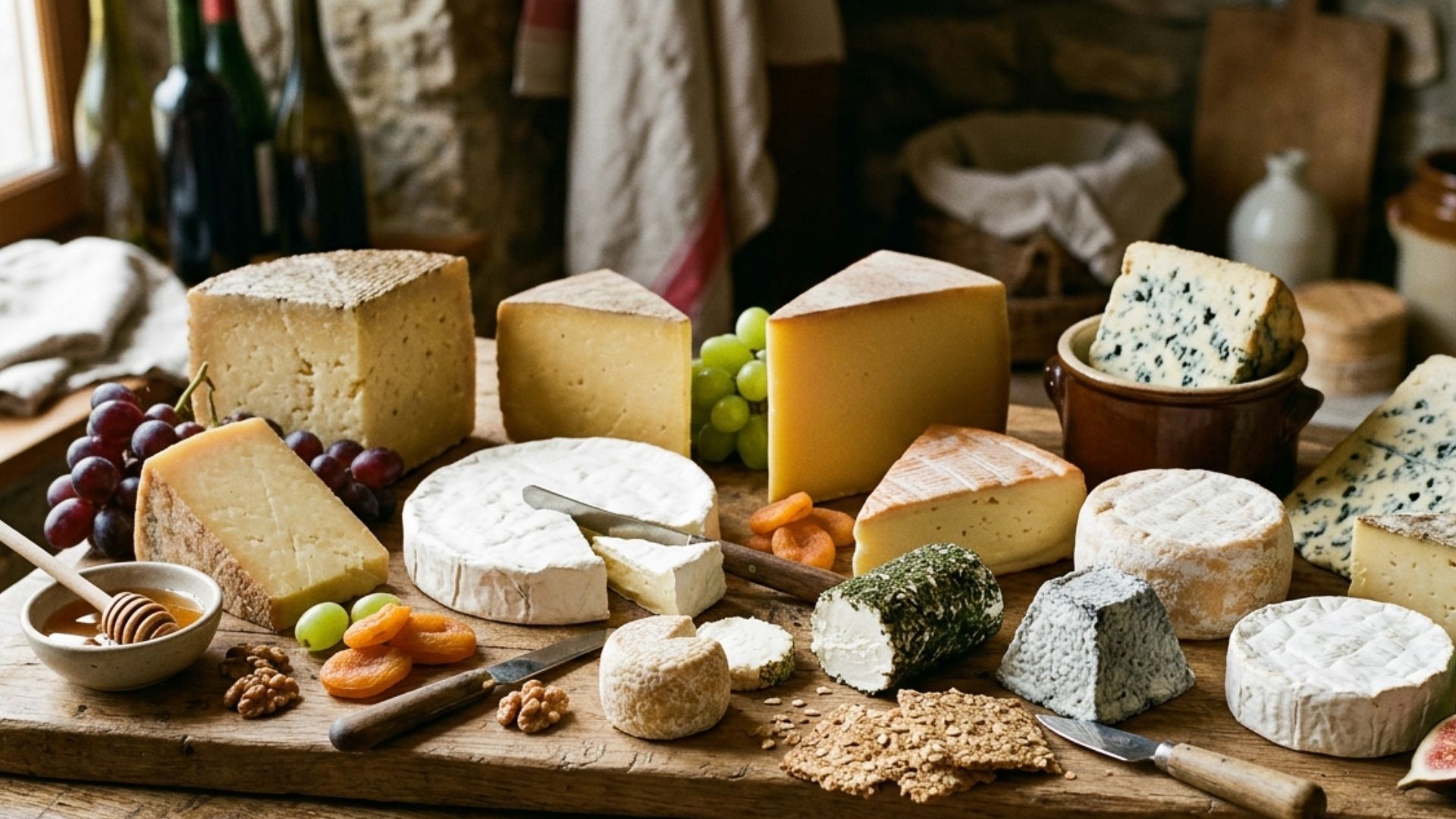
Every year on June 4, cheese lovers across the country celebrate National Cheese Day, a tribute to one of humanity’s oldest and most beloved foods. Found in everything from family recipes and holiday gatherings to gourmet restaurants and everyday snacks, cheese has become a universal part of food culture around the world.
But cheese is more than a delicious dairy product. It tells stories about geography, tradition, agriculture, and family heritage. Much like the traditions families pass from one generation to the next, cheese reflects history, craftsmanship, and the unique identities of communities across the globe.
As we celebrate National Cheese Day, it’s worth exploring how cheese became such an important part of culinary traditions and why nearly every culture has developed its own favorite varieties.
National Cheese Day and the Remarkable History of Cheese Making
The origins of cheese history date back thousands of years. Historians believe cheese making began sometime around 8000 BCE, shortly after humans started domesticating animals for milk production.
Early dairy farmers discovered that milk could naturally separate and ferment under certain conditions. This process created one of the earliest forms of preserved food, allowing communities to store nutrients for longer periods.
Over time, cheese production evolved from a practical necessity into an art form. Different regions developed unique methods based on climate, available resources, and local tastes. These early innovations laid the foundation for the thousands of cheese varieties enjoyed today.
From simple fresh cheeses to carefully aged artisan cheese, each type reflects centuries of experimentation and tradition.
How Food Culture Shapes Regional Cheese Varieties
One reason cheese remains such an important part of global cuisine is its ability to adapt to local environments and cultural preferences.
In Italy, cheeses like Parmigiano-Reggiano and Mozzarella became staples of traditional recipes. France developed hundreds of regional specialties, each connected to specific regions and production techniques. England became known for Cheddar, while Greece embraced Feta as a cornerstone of its culinary heritage.
Even within the United States, regional cheese production has flourished. Wisconsin, often called “America’s Dairyland,” has built a global reputation for high-quality dairy products and innovative cheese making practices.
The connection between food history and local identity is evident in every wheel, wedge, and block of cheese produced around the world.
The Role of Fermented Foods in Cultural Heritage
Cheese belongs to a larger family of fermented foods that have shaped human diets for centuries.
Long before refrigeration existed, fermentation allowed communities to preserve food safely while enhancing flavor and nutritional value. Similar preservation methods can be found in yogurt, sauerkraut, kimchi, and countless other traditional foods.
Because fermentation techniques were often passed down through generations, cheese became deeply intertwined with cultural heritage. Families shared recipes, communities refined production methods, and entire regions became known for their signature products.
These traditions continue today through small-scale producers and artisan cheese makers who preserve centuries-old techniques while introducing new innovations.
Why Artisan Cheese Continues to Thrive
In an era of mass production, artisan cheese remains remarkably popular.
Consumers increasingly seek foods that tell a story. They want products connected to local farms, traditional craftsmanship, and authentic culinary experiences.
Artisan cheese makers often emphasize:
- Small-batch production
- Traditional aging methods
- Regional ingredients
- Sustainable dairy farming practices
- Unique flavor profiles
This focus on quality and heritage has helped fuel growing interest in gourmet cheese and specialty food markets worldwide.
For many people, purchasing artisan cheese is about more than flavor, it’s about supporting local communities and preserving culinary traditions.
National Cheese Day Highlights the Importance of Community and Tradition
One of the reasons National Cheese Day resonates with so many people is that food often brings families together.
Whether shared during holiday celebrations, family gatherings, community festivals, or everyday meals, cheese frequently serves as a centerpiece for connection and conversation.
Food traditions help families preserve memories and strengthen bonds across generations. A favorite recipe, a family cooking technique, or a cherished holiday dish can become part of a family’s lasting legacy.
These shared experiences remind us that cultural heritage is not only preserved in museums and history books. It is also preserved around dinner tables, in family kitchens, and through traditions that continue year after year.
Celebrating Culinary Heritage Through Cheese
National Cheese Day offers an opportunity to appreciate the rich history behind one of the world’s most versatile foods.
From ancient dairy farming practices to modern artisan cheese production, cheese has played an important role in shaping food culture across continents and generations.
Every culture has developed its own favorite cheeses because every community has its own story, traditions, and connection to the land. Those differences have created a remarkable diversity of flavors and techniques that continue to enrich global cuisine today.
As families gather to enjoy their favorite cheeses this National Cheese Day, they also participate in a tradition that spans thousands of years, one built on craftsmanship, heritage, and the simple joy of sharing good food with the people who matter most.
Just as families pass down treasured recipes and traditions through generations, thoughtful estate planning helps preserve the values, assets, and legacy that matter most. If you’re ready to create a plan that protects your family’s future, contact Krause Estate Planning & Elder Law Center today to schedule a consultation.