
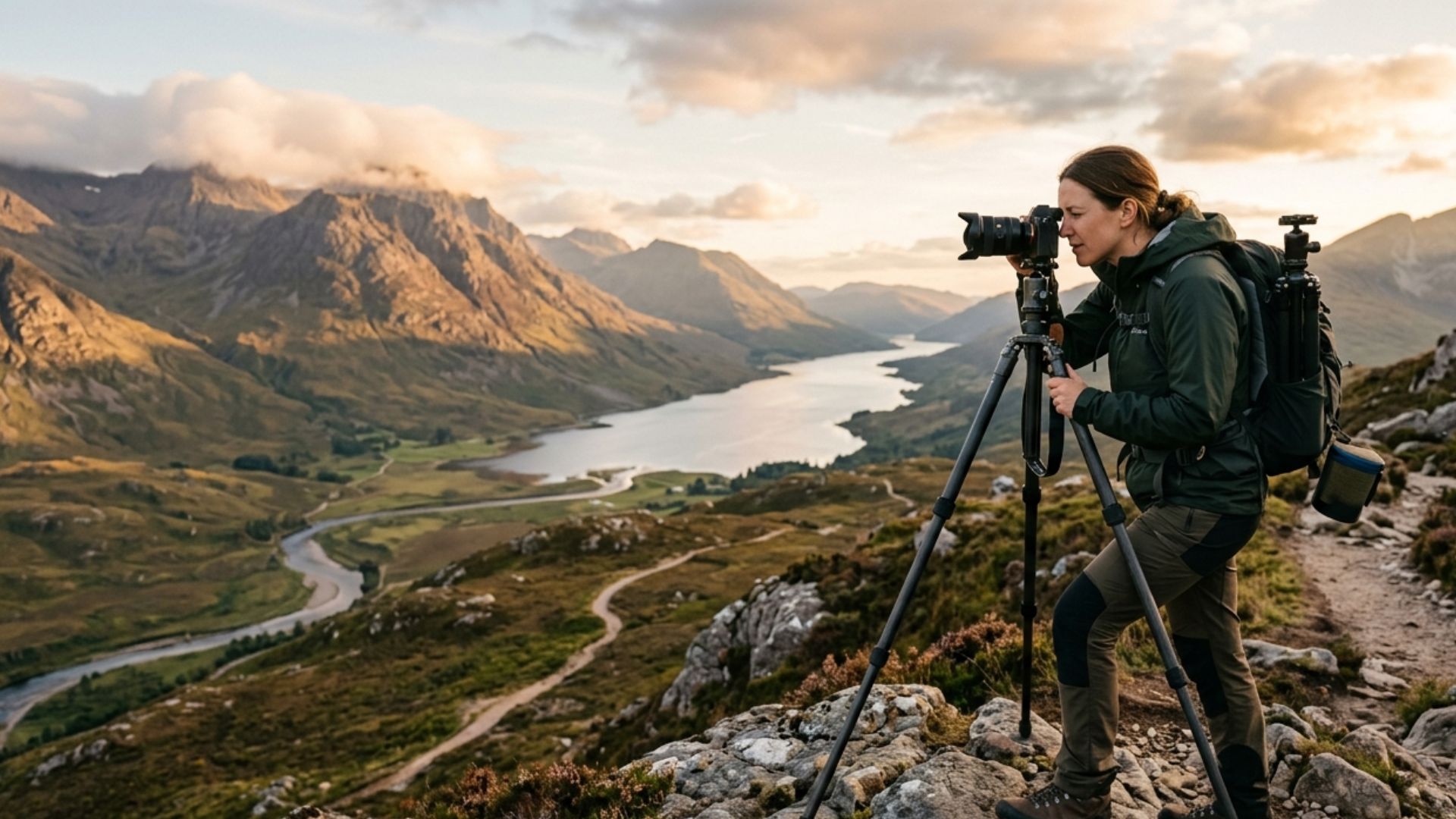
TL;DR:
- National Camera Day celebrates the remarkable evolution of photography, recognizing how advances in camera history and camera technology have transformed the way people capture and preserve life’s most meaningful moments.
- From film photography to digital photography, the journey of photographic innovation has made memory keeping more accessible, allowing individuals to create lasting photo memories with modern digital cameras.
- Beyond preserving moments, National Camera Day highlights the power of visual storytelling, visual communication, and photographic art, showcasing how images can educate, inspire, and connect people across generations.
- The celebration also recognizes the impact of photojournalism, historical photography, and creative photography, along with evolving photography techniques that continue to shape culture, history, and everyday life.
- Whether documenting milestones through family photography or protecting cherished moments through image preservation, National Camera Day reminds us that photography remains one of humanity’s most enduring forms of storytelling and shared memory.
A single photograph has the remarkable ability to freeze a moment in time. It can preserve a child’s first steps, a family reunion, a graduation, or a quiet afternoon that might otherwise fade from memory. Long after the moment has passed, a photograph allows us to revisit emotions, celebrate milestones, and share stories with future generations.
Celebrated each year on June 29, National Camera Day recognizes both the invention of the camera and the incredible impact photography has had on society. From early film photography to today’s digital cameras and smartphones, photography has transformed the way we document our lives and preserve our personal histories.
More than a technological achievement, photography has become a universal language of visual storytelling, one that connects families, communities, and generations through shared memories.
National Camera Day and the Evolution of Photography
The history of photography is one of constant innovation.
Early cameras required long exposure times and complicated chemical processes. Over time, advances in camera technology made photography more accessible to everyday people.
Major milestones include:
- The development of film photography
- Portable consumer cameras
- Instant photography
- Digital photography
- Smartphone cameras
- Cloud-based image preservation
Each innovation made it easier to document life’s important moments, helping photography evolve from a specialized craft into an everyday activity.
Today, billions of photographs are taken each year, demonstrating how deeply photography has become woven into modern life.
Photography as Visual Storytelling
Photography is about far more than recording images.
Every photograph tells a story.
A family portrait captures relationships. A graduation photo celebrates achievement. Vacation pictures preserve shared adventures. Historic photographs document events that shape communities and nations.
Visual storytelling allows people to communicate emotions and experiences without words.
Whether through professional photography or casual snapshots, photographs help preserve the moments that define our personal and collective histories.
From Film Photography to Digital Photography
Few technologies have changed as dramatically as photography.
Film photography required careful planning. Every exposure mattered, and photographs often remained unseen until the film was developed.
Digital photography transformed that experience.
Today’s digital cameras provide:
- Instant image review
- High-resolution photography
- Easy editing
- Online sharing
- Long-term digital storage
- Creative flexibility
These advancements have made photography more accessible than ever before while expanding opportunities for creative photography and artistic expression.
Photography and Family Memory Keeping
For many families, photographs become some of their most treasured possessions.
Family photography preserves moments such as:
- Weddings
- Birthdays
- Holidays
- Graduations
- Family reunions
- Everyday milestones
Years later, these images often become powerful reminders of loved ones, traditions, and shared experiences.
Many families pass photo albums from one generation to the next, creating a visual record of family history that complements written stories and oral traditions.
Photography plays a significant role in memory keeping by helping preserve moments that might otherwise be forgotten.
The Role of Photography in American History
Photography has also shaped our understanding of history itself.
Historical photography has documented:
- Major world events
- Scientific discoveries
- Cultural movements
- Civil Rights history
- Community life
- Everyday experiences across generations
Photojournalism has allowed people to witness important moments from around the world, often influencing public understanding and historical awareness.
Many iconic photographs continue to educate, inspire, and encourage reflection decades after they were first captured.
Image Preservation in the Digital Age
While digital photography offers incredible convenience, it also creates new challenges.
Thousands of images often remain scattered across:
- Smartphones
- Computers
- External hard drives
- Cloud storage accounts
- Social media platforms
Without proper organization, valuable family photographs can become difficult to locate, or even permanently lost.
Image preservation today involves more than simply taking photographs. It also requires thoughtful storage, backups, and organization to ensure future generations can continue enjoying these visual memories.
Photography as Creative Expression
Photography is both a technical skill and an artistic medium.
Modern photography techniques allow photographers to explore:
- Portrait photography
- Landscape photography
- Wildlife photography
- Architectural photography
- Street photography
- Fine art photography
Each style demonstrates the versatility of photography as a form of visual communication.
Whether pursued professionally or simply as a hobby, photography encourages creativity while helping people see the world from new perspectives.
Preserving More Than Pictures
Photographs often become some of a family’s most meaningful possessions.
While estate planning typically focuses on financial assets, sentimental items, including family photographs, albums, and digital image collections, also deserve thoughtful consideration.
Organizing photographs, identifying important family collections, and preserving digital archives can help ensure these irreplaceable memories remain accessible for future generations.
Like heirlooms and family keepsakes, photographs tell stories that deserve to be protected.
Celebrating National Camera Day
National Camera Day reminds us that every photograph captures more than an image, it captures a moment that can never be recreated.
From early camera history to today’s digital photography, cameras have transformed how we preserve memories, celebrate milestones, and document the people and experiences that matter most.
Whether you’re taking new photographs or revisiting old family albums, National Camera Day offers a wonderful opportunity to appreciate the role photography plays in preserving both personal memories and our shared cultural heritage.
Photographs preserve the moments that make life meaningful. Estate planning helps protect the people, memories, and legacy behind those moments. At Krause Estate Planning & Elder Law Center, we help families create thoughtful plans that safeguard both their financial future and the stories they hope to pass on. Contact us today to learn how we can help.