
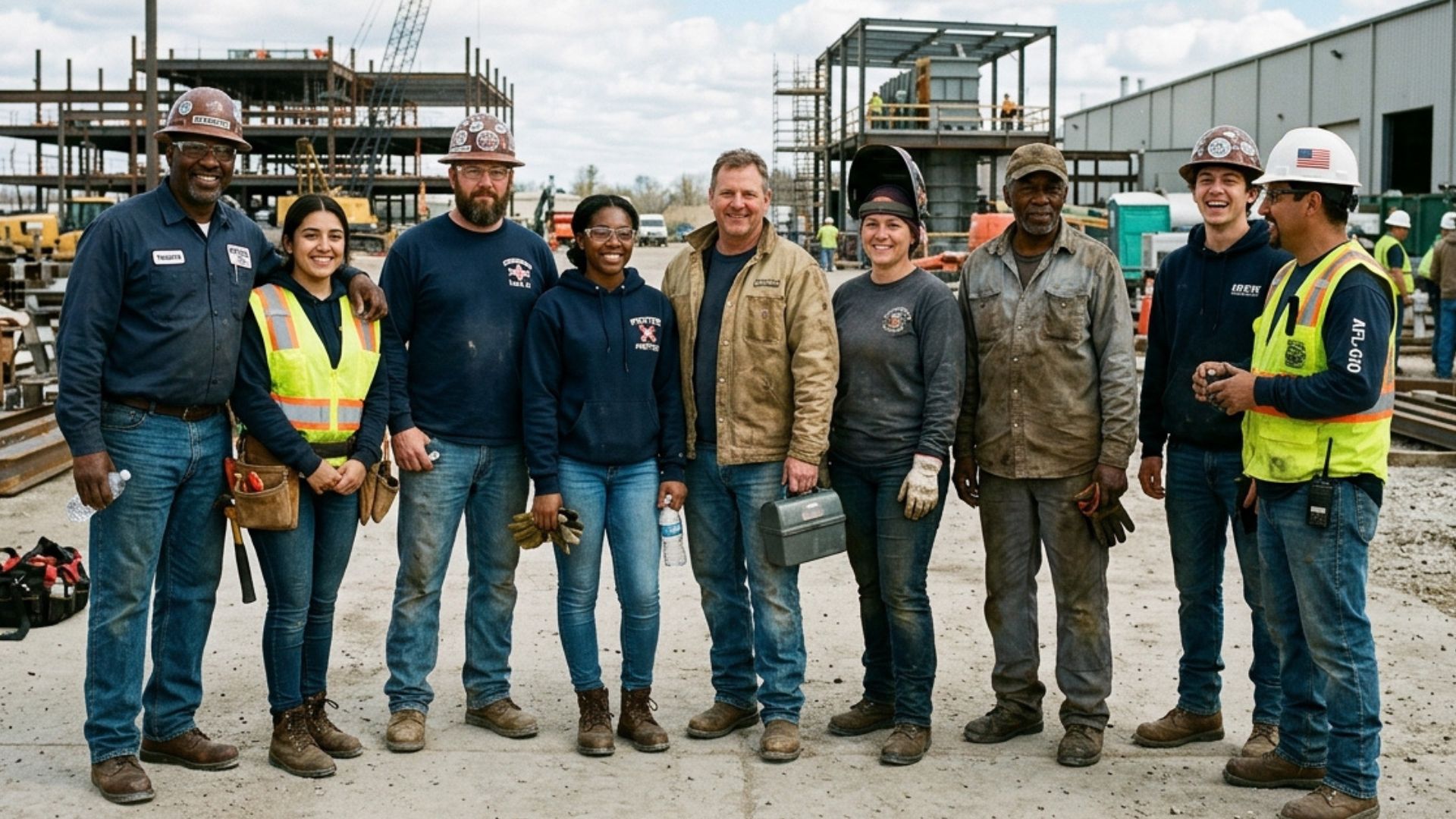
For many Americans, Labor Day marks the unofficial end of summer. It is a long weekend associated with cookouts, family gatherings, travel, and one last opportunity to enjoy warm weather before fall routines return.
But the holiday began with something much bigger than a three-day weekend.
Labor Day grew out of the American labor movement during an era when industrialization was transforming the workplace. Workers organized, marched, and pushed for greater recognition of their contribution to the country’s economic growth. What eventually became a national holiday was built around a simple idea: American workers deserved a day dedicated to their achievements.
Labor Day History Begins With American Workers
The first widely recognized Labor Day celebration took place in New York City on September 5, 1882.
Organized by the Central Labor Union, the event brought thousands of workers together for a parade through Manhattan followed by a picnic, speeches, and festivities. The Library of Congress estimates that approximately 10,000 workers participated in that first parade.
The celebration was not merely recreational. Organized labor wanted to demonstrate the strength and importance of the working class while drawing attention to working conditions and the role labor played in American prosperity.
The basic format was remarkably similar to many later Labor Day celebrations: a public parade followed by recreation for workers and their families.
Who Actually Created Labor Day?
Even the identity of Labor Day’s founder remains debated.
Two labor leaders with nearly identical surnames are commonly associated with the idea: Peter J. McGuire, a leader of the Brotherhood of Carpenters and Joiners and later co-founder of the American Federation of Labor, and Matthew Maguire, a machinist and secretary of New York’s Central Labor Union.
The U.S. Department of Labor notes that historical evidence supports claims for both men, although more recent research has strengthened the case that Matthew Maguire may have proposed the holiday while serving with the Central Labor Union in 1882.
Regardless of who first suggested it, Labor Day clearly emerged from the union movement and the efforts of working people themselves.
From Local Celebration to National Holiday
The idea spread quickly.
New York’s celebration inspired similar events around the country, and Oregon became the first state to give Labor Day official legal recognition in 1887. Other states soon followed.
By 1894, 23 additional states had adopted the holiday. On June 28, 1894, President Grover Cleveland signed legislation making the first Monday in September a legal national holiday.
The timing came during a turbulent period in American labor history. Industrialization had created enormous economic growth, but it had also produced intense disputes over wages, hours, workplace safety, and the power of employers and organized labor.
Labor Day became both a celebration and a public acknowledgment that workers were central to the nation’s economic and civic life.
The Labor Movement and Workplace Reform
Modern working conditions did not appear overnight.
Throughout American labor history, workers and labor organizations advocated for changes involving working hours, compensation, workplace safety, child labor, collective bargaining, and other employment conditions.
Those efforts unfolded over generations and often involved disagreement, strikes, political battles, and difficult compromises.
Labor Day therefore represents more than a single law or parade. It reflects a much longer story about how workplace culture evolved as employees, businesses, lawmakers, and communities responded to a changing economy.
Today, the holiday recognizes workers across an enormous range of occupations, from manufacturing and construction to healthcare, education, agriculture, technology, public service, small businesses, and countless other industries.
How Labor Day Celebrations Changed
Early Labor Day observances placed organized labor at the center.
Parades displayed the strength and solidarity of trade organizations. Speeches addressed economic and civic issues. Festivals offered workers and their families a chance to celebrate together.
Over time, the cultural meaning expanded.
Labor Day became associated with family picnics, community events, sporting activities, travel, and the end of the traditional summer season. The Library of Congress notes that today’s observance is generally associated more with leisure than with the union activities and protest marches that characterized its earlier history.
Yet the original purpose remains worth remembering.
Behind the holiday are generations of people who built homes, staffed factories, tended farms, operated businesses, cared for families, taught children, provided medical care, and helped communities function.
Work Is Often Part of a Family Legacy
For many families, work becomes part of their identity.
A grandparent may have spent decades building a small business. Parents may have saved gradually to purchase a home or pay for their children’s education. Someone else may have dedicated a career to public service, healthcare, teaching, farming, or a skilled trade.
Those years of work often create more than financial assets. They create stories, values, traditions, and opportunities that pass from one generation to another.
That is where estate and legacy planning can take on a broader meaning.
A thoughtful estate plan can help preserve:
- A family business
- Real estate
- Retirement savings
- Investments
- Family heirlooms
- Charitable priorities
- Instructions for future generations
Wills and trusts can transfer property, while conversations and legacy letters can preserve the life experience and values behind that property.
Celebrating the People Behind the Holiday
Labor Day gives Americans an opportunity to enjoy a well-earned break, but its history encourages us to look beyond the long weekend.
The holiday exists because generations of American workers insisted that their contributions deserved recognition.
Whether someone spent a lifetime building a company, raising a family, working with their hands, caring for others, or serving a community, that work becomes part of the story they leave behind.
Honoring Labor Day means remembering the people who helped build the country, and recognizing that the products of a lifetime’s work can become a meaningful legacy for the generations that follow.
A lifetime of work can create property, savings, businesses, memories, and opportunities for the people you love. Krause Estate Planning & Elder Law Center helps Wisconsin families protect what they have built and create clear plans for passing it forward. Contact us today to discuss wills, trusts, beneficiary planning, and a legacy strategy designed around your family’s future.
TL; DR:
- Labor Day honors the contributions of American workers and recognizes the role the labor movement played in shaping modern workplace culture, employment standards, and protections for the working class.
- Understanding Labor Day history means looking back at industrialization, when long hours, unsafe conditions, and low pay fueled labor activism, organized labor, and the growth of labor unions across the United States.
- The push for workers rights, fair wages, and stronger worker protections helped drive major workplace reform and became an important chapter in both American labor history and broader American history.
- As the union movement gained influence, demands for safer workplaces, reasonable hours, and greater labor rights helped reshape employment history and change expectations between workers and employers.
- Today, Labor Day stands as more than a national holiday; it serves as a reminder of the people, movements, and struggles that helped build many of the workplace standards Americans recognize today.