
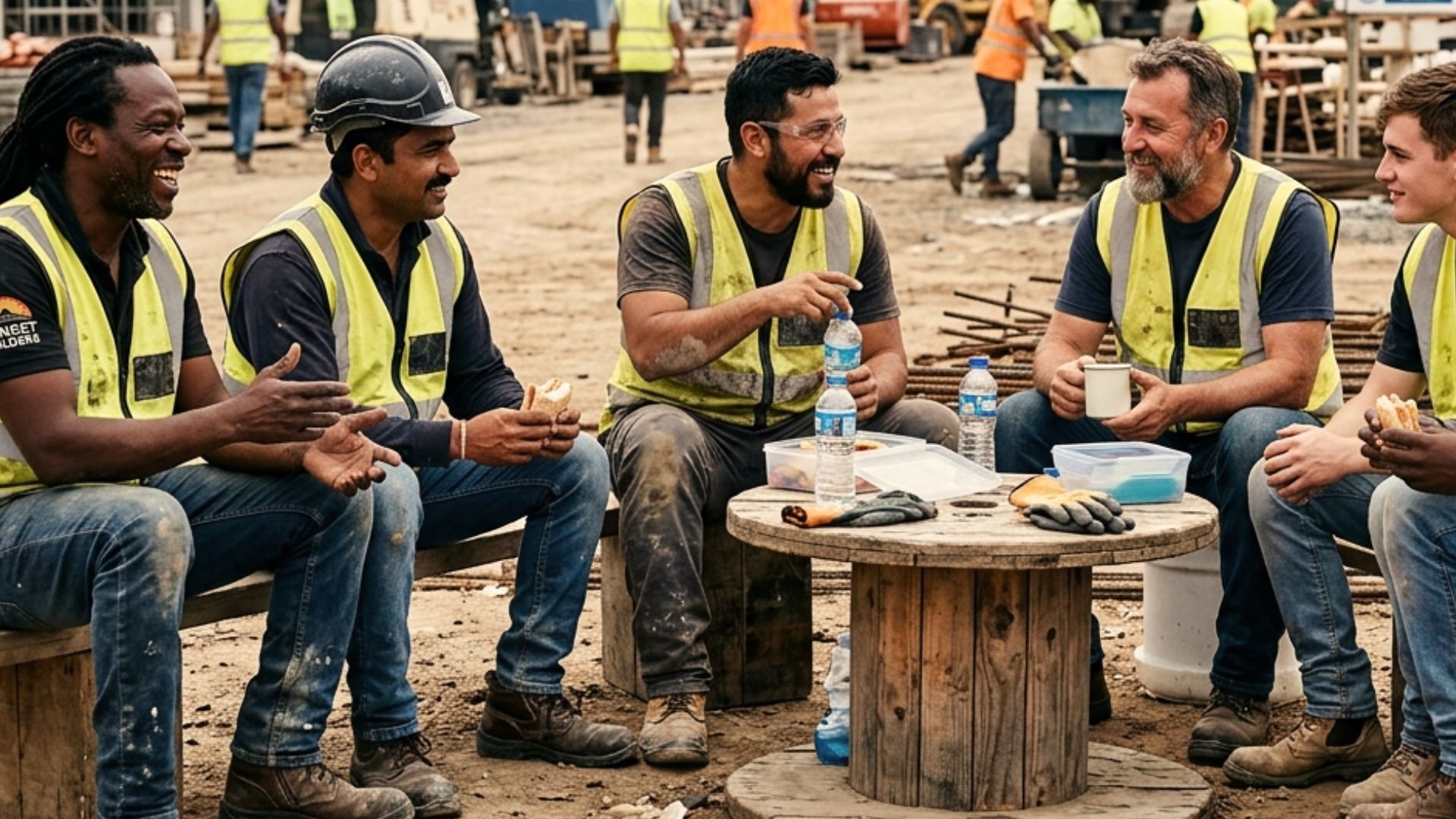
TL;DR:
- International Workers Day highlights the continued importance of workers rights and labor rights, reinforcing awareness of employment law and evolving workplace protections in 2026.
- Often associated with Labor Day traditions, the day reflects the legacy of the labor movement and long-standing struggles for fair wages and equitable conditions.
- Strong worker protections and adherence to labor standards remain central to ensuring workplace rights and dignity across industries.
- Education around legal awareness, workplace safety, and employee benefits helps strengthen systems rooted in social justice.
- International Workers Day also honors union history, reminding us that progress in labor rights depends on continued advocacy and collective action.
Every year, International Workers Day reminds the world that progress in the workplace did not happen by accident. Fair wages, safer conditions, reasonable hours, and employee protections were achieved through decades of advocacy, reform, and persistence.
In 2026, the workplace continues to evolve through technology, remote work, changing industries, and economic pressure. That makes workers rights and legal awareness just as relevant today as they were in the past.
What Is International Workers Day?
International Workers Day, observed on May 1 in many countries, recognizes the contributions of workers and the importance of fair labor standards.
It is often associated with:
- The history of the labor movement
- Calls for fair wages and safe working conditions
- Respect for dignity in employment
- Ongoing efforts to strengthen worker protections
While some regions celebrate a separate Labor Day, the core message remains the same: work should be fair, safe, and respected.
Why Workers’ Rights Still Matter in 2026
Modern workplaces look different than they did decades ago, but many challenges remain.
Today’s employees may face issues involving:
- Wage disputes
- Misclassification of workers
- Overtime concerns
- Harassment or discrimination
- Unsafe working environments
- Lack of access to benefits
Strong workplace rights help create balance between productivity and fairness.
Fair Wages and Economic Stability
Compensation is more than a paycheck, it affects housing, healthcare, education, and family security.
Conversations around fair wages continue because workers need income that reflects:
- Cost of living changes
- Economic conditions
- Skill and responsibility levels
When workers are compensated fairly, families and communities are often stronger as a whole.
Workplace Safety Remains Essential
No worker should have to choose between earning a living and staying safe.
Workplace safety remains critical across industries including:
- Construction
- Manufacturing
- Healthcare
- Transportation
- Office and remote settings
Safety standards, training, and accountability help reduce preventable injuries and create healthier workplaces.
Legal Awareness Protects Employees and Employers
Many workplace problems escalate simply because people do not know their rights or responsibilities.
Legal awareness may include understanding:
- Employment agreements
- Leave rights
- Anti-discrimination protections
- Wage and hour rules
- Benefit eligibility
- Reporting procedures
When expectations are clear, conflict can often be reduced before it grows.
The Ongoing Role of the Labor Movement
The historic labor movement helped establish many standards people now take for granted, including:
- Safer conditions
- Weekend rest periods
- Overtime concepts
- Collective advocacy
- Improved employee benefits
Its legacy continues to influence how societies think about dignity, fairness, and opportunity at work.
Workers’ Rights in a Changing Economy
Technology and automation are reshaping jobs rapidly. In 2026, many people work in:
- Hybrid or remote roles
- Gig economy positions
- Contract arrangements
- Platform-based employment models
As work changes, labor rights discussions increasingly focus on how existing protections apply in new settings.
Why Families Benefit from Worker Protections
When employees have access to fair treatment, safe environments, and reliable benefits, families often gain greater stability.
This may include:
- More predictable income
- Better healthcare access
- Retirement security
- Reduced stress at home
Worker protections are not only workplace issues, they are family issues too.
Legal Planning Beyond the Workplace
Just as employment rights help protect people during their working years, long-term planning helps protect families later in life.
Thoughtful planning can help with:
- Asset protection
- Healthcare decisions
- Family transitions
- Legacy goals
Legal awareness matters both during your career and beyond it.
Honoring Work by Protecting the Future
International Workers Day is a reminder that dignity, fairness, and opportunity are worth protecting in every generation.
By valuing workers rights, promoting legal awareness, and planning for the future, individuals can strengthen both their careers and their families.