
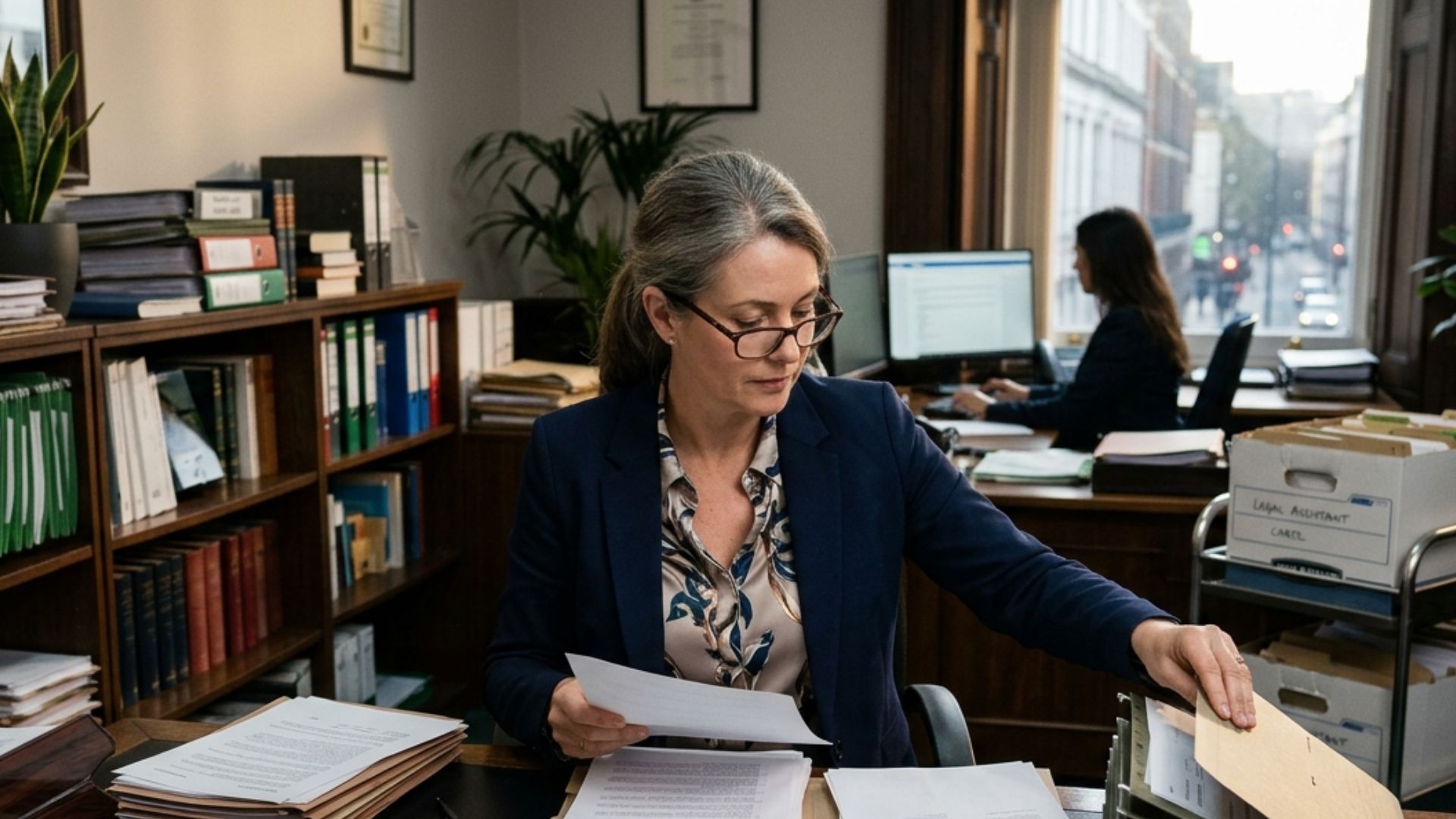
TL;DR:
- Probate in Wisconsin is the legal process used to administer a deceased person’s estate, requiring accurate estate records, estate documents, and compliance with probate requirements before assets can be distributed and the estate settlement completed.
- Gathering essential legal documents, including the original will, death certificates, financial records, and a complete asset inventory, can streamline the probate process and support efficient estate administration under Wisconsin probate procedures.
- The probate court Wisconsin oversees the process, while the Personal Representative fulfills important executor duties and fiduciary duties, including managing assets, paying debts, filing required paperwork, and complying with estate law Wisconsin.
- Proper document organization, timely probate filing, and understanding which assets pass outside probate through wills and trusts can help families reduce delays and simplify overall estate management and inheritance planning.
- Knowing which records to preserve, which documents must be filed, and how the probate process works can help families confidently navigate Probate in Wisconsin while avoiding unnecessary complications during estate administration.
After the loss of a loved one, it’s natural to begin organizing paperwork and clearing out personal belongings. During this process, families sometimes overlook documents that may seem unimportant at first glance. An old bank statement, a property deed, a life insurance policy, or an original will can become critical pieces of the probate process.
When it comes to Probate in Wisconsin, proper documentation is one of the most important factors in ensuring that an estate is administered efficiently. Having the right records readily available can reduce delays, simplify court filings, and help the Personal Representative carry out their legal responsibilities.
Before you throw away old paperwork or begin cleaning out filing cabinets, it is important to understand which estate records should always be preserved and why they matter.
What Does Probate in Wisconsin Mean?
Probate is the legal process through which a deceased person’s estate is administered under Wisconsin law.
During probate proceedings, the court oversees the administration of the estate to ensure that:
- The deceased person’s will is recognized, when applicable.
- Estate assets are identified and protected.
- Outstanding debts and taxes are addressed.
- Remaining property is distributed according to the will or Wisconsin inheritance laws.
Not every estate requires formal probate, but when it does, proper estate documents become essential from the very beginning.
The Essential Estate Records You Should Gather First
One of the Personal Representative’s first responsibilities is locating important legal and financial documents.
Key estate records often include:
- Original Last Will and Testament
- Trust documents
- Death certificates
- Property deeds
- Vehicle titles
- Bank and investment account statements
- Retirement account information
- Life insurance policies
- Tax returns
- Business ownership records
- Digital asset information
- Loan documents
Gathering these records early helps establish a complete asset inventory and supports more efficient estate administration.
Why Original Documents Matter
Original legal documents often carry greater legal significance than photocopies.
For example, an original will may be required when filing probate with the court. Missing originals can sometimes complicate probate filing or require additional legal proceedings to establish validity.
Similarly, original trust documents, deeds, and financial records may help resolve ownership questions or verify estate assets.
For this reason, families should avoid discarding paperwork until they understand its potential legal importance.
Building a Complete Asset Inventory
An accurate asset inventory is one of the foundations of successful estate management.
The Personal Representative must identify assets such as:
- Real estate
- Bank accounts
- Investment portfolios
- Retirement accounts
- Personal property
- Business interests
- Valuable collections
- Digital assets
Incomplete records may delay estate settlement or create uncertainty regarding ownership.
Organized documentation helps ensure all assets are properly accounted for during probate.
Death Certificates and Probate Filing
Death certificates are among the most frequently requested estate documents.
Multiple certified copies are often needed when:
- Closing bank accounts
- Filing insurance claims
- Transferring investment accounts
- Managing retirement benefits
- Recording property transfers
- Initiating probate proceedings
Obtaining sufficient certified copies early can help prevent unnecessary delays throughout the probate process.
Understanding the Personal Representative’s Duties
The Personal Representative, sometimes called the executor, has significant fiduciary duties under Wisconsin probate law.
These responsibilities generally include:
- Locating estate documents
- Protecting estate assets
- Filing required court paperwork
- Notifying beneficiaries
- Paying valid debts
- Filing tax documents
- Distributing estate property
Good document organization makes these responsibilities significantly more manageable.
Without complete records, even straightforward estates can become far more complicated.
Why the Notice to Creditors Is Important
One critical step during Probate in Wisconsin involves providing a Notice to Creditors.
This legal notice informs creditors that the estate is being administered and establishes deadlines for submitting claims against the estate.
The process helps:
- Identify valid estate liabilities
- Protect beneficiaries
- Establish finality for creditor claims
- Support orderly estate settlement
Failure to complete required notice procedures may create additional legal complications later.
Which Assets Usually Avoid Probate?
Not every asset passes through probate proceedings.
Certain assets may transfer directly to beneficiaries outside the probate process, including:
- Jointly owned property with survivorship rights
- Payable-on-death bank accounts
- Transfer-on-death securities
- Retirement accounts with designated beneficiaries
- Life insurance policies with named beneficiaries
- Assets properly titled in a revocable living trust
Understanding which assets bypass probate can help families better organize estate administration and set realistic expectations.
Stay Organized Before Problems Arise
One of the best ways to simplify future estate administration is to organize important records while you’re still living.
Consider maintaining a secure location containing:
- Estate planning documents
- Financial account information
- Insurance policies
- Property records
- Contact information for advisors
- Password management instructions
- Digital asset inventories
Keeping these records current can save loved ones significant time and stress during an already difficult period.
Final Thoughts on Probate in Wisconsin and Estate Records
When families lose a loved one, paperwork may seem like the last thing anyone wants to think about. Yet those documents often become the roadmap for successful estate administration.
By preserving wills, trusts, financial records, property documents, death certificates, and other essential estate records, families can help ensure Probate in Wisconsin proceeds as smoothly as possible.
The simple act of keeping the right paperwork organized today can make an enormous difference for the people you care about tomorrow.
Whether you are organizing a loved one’s estate or preparing your own records for the future, having the right documents in place can make all the difference. Contact Krause Estate Planning & Elder Law Center today for experienced guidance through Probate in Wisconsin and personalized estate planning solutions that help protect your family and simplify the administration process.
Frequently Asked Questions
1. What exactly does probate mean under Wisconsin law?
Probate is the legal process of administering a deceased person’s estate under court supervision when required.
2. Does every Wisconsin estate require formal probate?
No. Some estates qualify for simplified procedures or avoid probate altogether depending on the assets involved.
3. Should I file an original will even if probate isn’t required?
Certain circumstances may still require lodging or filing the original will. Legal guidance can help determine the appropriate steps.
4. What records should I gather first?
Begin with the original will, trust documents, death certificates, financial statements, deeds, insurance policies, and tax records.
5. What is a Domiciliary Letter?
It is a court-issued document that authorizes the Personal Representative to act on behalf of the estate.
6. How long does probate usually take?
The timeline varies depending on the complexity of the estate and any disputes that arise.
7. Are Wisconsin probate records public?
Many probate court records are public, although access may vary depending on the document and proceeding.
8. What are the Personal Representative’s primary responsibilities?
Managing assets, paying debts, filing required documents, and distributing the estate according to law.
9. What is a Notice to Creditors?
It is a legal notice informing creditors of the estate administration and establishing deadlines for claims.
10. Which assets bypass probate?
Assets with beneficiary designations, survivorship rights, or proper trust ownership often transfer outside probate.