
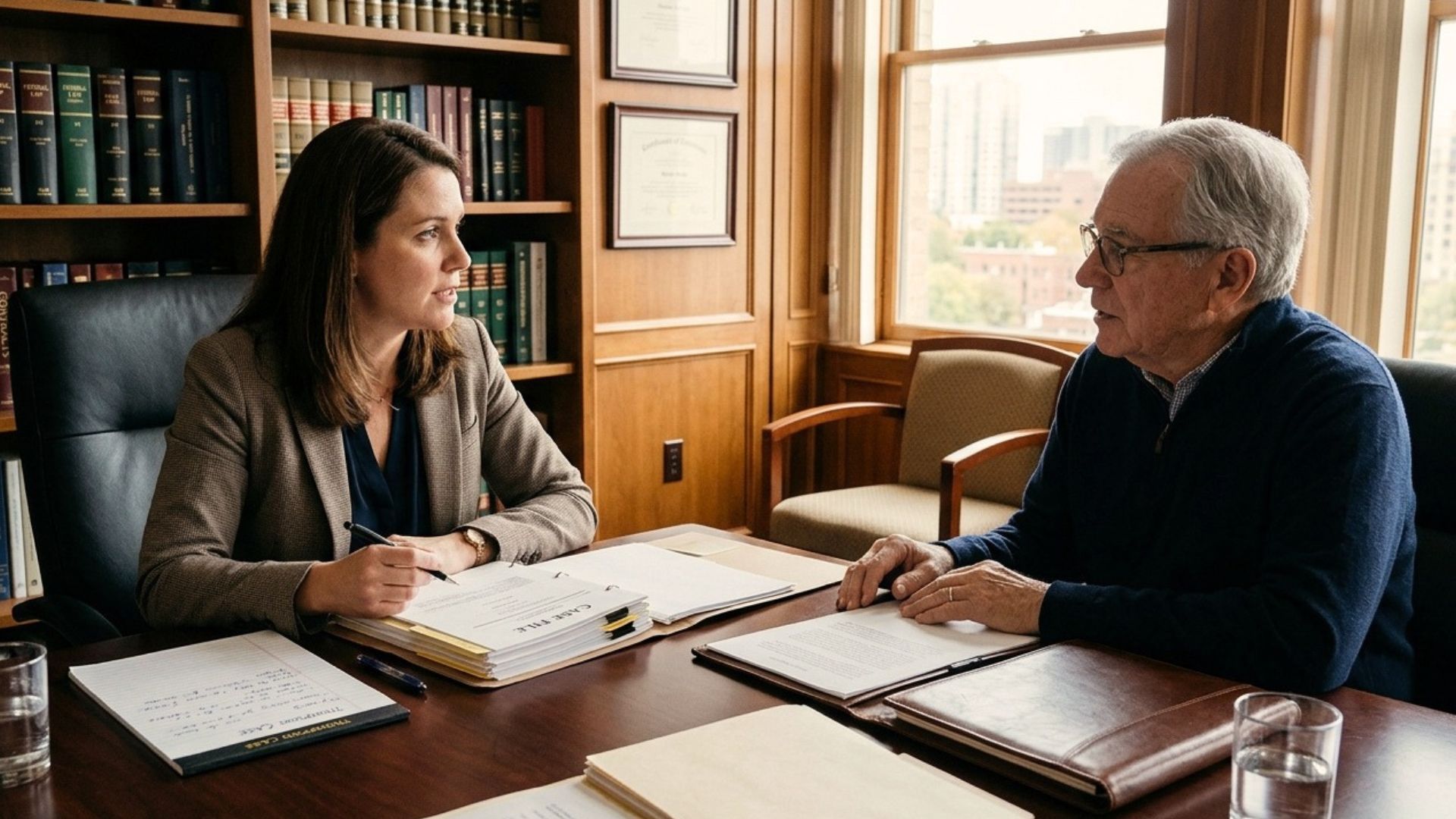
Needing help with a difficult decision should not automatically mean losing the right to make it.
For Wisconsin adults navigating disabilities, changing health needs, or major life transitions, independence and support can exist together. Yet families sometimes assume guardianship is their only option when a loved one struggles with paperwork, medical information, or finances.
A Wisconsin elder law attorney can help families consider supported decision-making, a practical approach that prioritizes dignity, participation, and personal choice.
Understanding Supported Decision-Making in Wisconsin
Under Wisconsin Statutes Chapter 52, supported decision-making (SDM) allows an eligible adult to select a trusted supporter who helps gather information, explain options, and communicate choices. The adult, not the supporter, remains the decision-maker.
Unlike guardianship, where a court may transfer specified decision-making powers to a guardian, an SDM agreement does not remove legal rights. It can be especially valuable for adults who benefit from assistance but can still direct their own decisions.
This approach reflects a central principle of disability rights: needing support does not, by itself, eliminate self-determination.
How an Elder Law Attorney Helps Protect Adult Autonomy
Choosing among guardianship alternatives requires more than downloading a form. An elder law attorney can evaluate the adult’s circumstances, identify appropriate safeguards, and explain when additional legal authority may be necessary.
For example, supported decision-making may assist with ordinary healthcare decisions, while a properly executed power of attorney may address situations requiring someone else to act under its terms.
Thoughtful elder care planning can also coordinate SDM with financial protections, incapacity planning, and long-term family goals. Families can explore these considerations through our elder law services.
Why Legal Safeguards Matter
An effective agreement clearly identifies who provides support, the decisions involved, and what information may be shared. It should reflect the adult’s voluntary preferences, never a relative’s convenience.
The Wisconsin Board for People with Developmental Disabilities offers additional guidance on SDM and guardianship alternatives.
Frequently Asked Questions About Supported Decision-Making
1. What is Supported Decision-Making (SDM) in Wisconsin, and how does it differ from guardianship?
SDM helps an adult make their own choices with assistance. Guardianship may assign certain decision-making authority to a court-appointed guardian. SDM preserves the adult’s legal decision-making rights.
2. Who is eligible to use a Supported Decision-Making Agreement under Wisconsin law?
Adults aged 18 or older with a qualifying functional impairment may voluntarily enter an agreement. Wisconsin law includes certain physical, developmental, or mental conditions substantially limiting major life activities.
3. Who can serve as a supporter, and can an adult have more than one?
A willing adult, including a trusted relative, friend, or other individual, may serve. Multiple supporters or separate agreements can address different needs.
4. Does a supporter gain the legal right to make decisions or sign documents on the adult’s behalf?
No. A supporter may help interpret information or communicate preferences but cannot independently make decisions, execute legal documents, or bind the adult to agreements.
5. What specific areas of life can a Wisconsin SDM agreement cover?
The agreement may cover housing, physical or mental healthcare, financial affairs, public benefits, employment supports, education, and other specifically identified decisions.
6. How is a Supported Decision-Making Agreement executed to make it legally valid in Wisconsin?
The agreement must be voluntary, written, signed, and dated by the adult and supporter in the presence of two witnesses aged 18 or older or a notary public. Wisconsin provides a standard form.
7. How do third parties (like doctors, banks, or schools) verify and honor an SDM agreement?
They can review the signed original or copy and its authorized scope. Wisconsin law generally directs recipients to rely on valid agreements, subject to abuse-related concerns. Separate medical or educational releases may still be necessary.
8. Can an SDM agreement be used alongside other legal tools like Powers of Attorney (POA)?
Yes. SDM can complement financial or healthcare powers of attorney, but it does not replace them. Each tool serves a different role in decision-making support and incapacity planning.
9. How can an SDM agreement be changed, ended, or protected against abuse?
Adults can update their arrangements by executing a revised agreement. They can revoke an agreement through methods recognized by Wisconsin law, including a signed statement or oral revocation before two witnesses. Certain substantiated abuse findings also terminate agreements.
10. How does SDM factor into high school transition planning for 18-year-olds in Wisconsin?
At 18, students generally gain their own educational decision-making rights. SDM may help them participate in IEP meetings, review options, and communicate choices while retaining personal authority.
Protect Independence While Planning for the Future
Protecting someone should not automatically mean deciding everything for them.
At Krause Estate Planning & Elder Law Center, we help Wisconsin families examine legal options for personal autonomy, healthcare planning, and future protection. Whether you live in Oregon, Madison, Brookfield, or Milwaukee, contact our team to schedule a consultation with an elder law attorney and discuss a plan that respects your loved one’s voice.
TL; DR:
- An elder law attorney can help Wisconsin adults preserve adult autonomy through supported decision-making, offering a less restrictive alternative to full guardianship when appropriate.
- A supported decision-making agreement allows an individual to receive trusted decision-making support while maintaining legal capacity, self-determination, and control over personal choices.
- Effective guardianship alternatives can support healthcare decisions, financial decisions, and everyday matters without automatically transferring authority away from the individual, strengthening both disability rights and autonomy protection.
- A knowledgeable elder law attorney can coordinate supported decision-making with a power of attorney, incapacity planning, guardianship planning, and other legal safeguards to create stronger adult protection.
- By combining Wisconsin elder law, elder care planning, and estate planning Wisconsin, families can build a more flexible strategy that protects independence while ensuring appropriate support is available when needed.