
TL;DR:
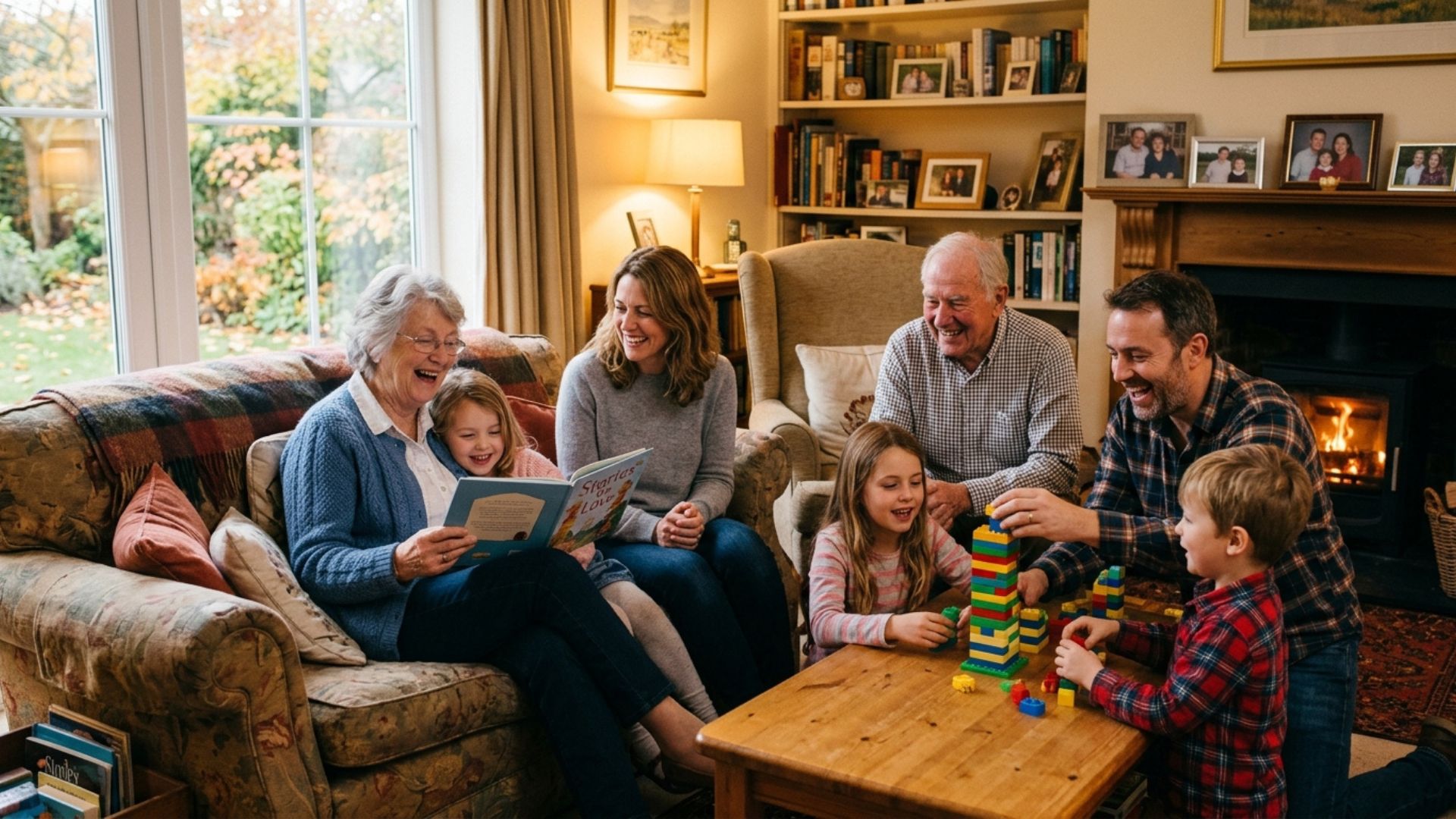
- Senior citizens play an essential role in families and communities, and National Senior Citizens Day celebrates the life experience, generational wisdom, and lasting community contributions of older adults.
- Supporting healthy aging, senior health, and overall senior wellbeing helps people maintain independence, dignity, and quality of life throughout a changing retirement lifestyle.
- Greater community engagement, social inclusion, and opportunities for active aging can help older adults stay connected while strengthening relationships across generations.
- As the aging population grows, thoughtful elder care, senior living, elderly support, and dependable family support become increasingly important for meeting evolving needs.
- National Senior Citizens Day also encourages greater aging awareness and senior advocacy, reminding communities to value, respect, and support senior citizens at every stage of later life.
Every generation benefits from the people who came before it. Older adults have raised families, built businesses, served communities, mentored younger generations, volunteered their time, and carried traditions forward through decades of change.
Observed each year on August 21, National Senior Citizens Day recognizes the achievements and ongoing contributions of senior citizens across the United States. The observance dates back to 1988, when President Ronald Reagan proclaimed August 21 as National Senior Citizens Day and encouraged communities to recognize older adults while supporting their independence, dignity, and continued participation in society.
The day is both a celebration and a reminder that healthy aging requires more than medical care. Older adults also benefit from meaningful relationships, community involvement, financial security, independence, and opportunities to remain engaged with the people and activities they value.
Why National Senior Citizens Day Matters
The original 1988 proclamation emphasized that older adults continue to serve as leaders, volunteers, mentors, and links between generations. It also called for communities where people can age with encouragement, acceptance, assistance, and dignity.
Those ideas remain relevant today.
Older adults continue contributing through:
- Volunteer work
- Family caregiving
- Community organizations
- Mentorship
- Religious and civic groups
- Small businesses
- Professional experience
- Support for younger generations
Retirement does not mean a person stops contributing. For many people, it simply changes the way experience and knowledge are shared.
Healthy Aging Is About More Than Physical Health
Healthy aging involves maintaining physical, mental, and social wellbeing as people grow older. The Centers for Disease Control and Prevention notes that healthy aging is supported by positive lifestyle choices and healthy habits throughout life, although it is never too late to make beneficial changes.
Important aspects of senior wellbeing may include:
- Regular physical activity
- Nutritious meals
- Preventive healthcare
- Adequate sleep
- Mental stimulation
- Social connection
- Safe living environments
- Meaningful daily routines
Healthy aging does not require perfection. The goal is to preserve quality of life, independence, and the ability to participate in activities that continue to provide purpose.
Community Engagement Supports Senior Wellbeing
Staying connected to others can be particularly important during retirement and later life.
Changes such as reduced mobility, the loss of friends or a spouse, health concerns, or living alone can increase the risk of social isolation. The National Institute on Aging notes that loneliness and social isolation are associated with higher risks of health problems including heart disease, depression, and cognitive decline.
Community engagement can take many forms:
- Joining a club or senior center
- Volunteering
- Attending religious or community events
- Participating in exercise groups
- Taking classes
- Spending time with family
- Mentoring younger people
- Maintaining friendships
These connections support more than emotional wellbeing. They can also provide practical support when health, transportation, or caregiving needs change.
Generational Wisdom Has Lasting Value
One of the most important contributions older adults make cannot be measured financially.
Life experience carries perspective.
Senior citizens may have lived through economic uncertainty, career changes, family transitions, major technological shifts, wars, health challenges, and decades of social change. Those experiences can provide younger generations with context that cannot always be learned from a textbook or online search.
Family stories are part of that wisdom.
Grandparents and older relatives often preserve knowledge about:
- Family history
- Cultural traditions
- Recipes
- Businesses
- Property
- Military service
- Immigration stories
- Personal values
- Lessons learned through hardship
Creating opportunities for older adults to share those stories can strengthen family identity while helping younger relatives understand where they came from.
Supporting Independence as Needs Change
Aging can eventually introduce new challenges involving healthcare, transportation, housing, finances, or long-term care.
Supporting an older adult does not have to mean taking control away from them. In many situations, the better goal is helping them maintain as much independence and decision-making authority as possible.
Families can begin by discussing:
- Preferred living arrangements
- Healthcare wishes
- Financial management
- Transportation needs
- Caregiving preferences
- Long-term care options
- Powers of Attorney
- Estate planning documents
Planning before a crisis allows older adults to participate fully in decisions affecting their future.
Estate Planning Is Part of Healthy Aging
Estate planning is often treated as a conversation about death, but it is also an important part of planning for later life.
A thoughtful plan can identify who should make financial or healthcare decisions if incapacity occurs and clarify how property should ultimately pass to loved ones.
Important documents may include:
- A will
- A revocable living trust
- Financial Power of Attorney
- Healthcare Power of Attorney
- Advance directives
- Beneficiary designations
For older adults, these documents can provide greater control while reducing uncertainty for family members.
Good planning also creates an opportunity to preserve more than assets. Families can discuss heirlooms, charitable priorities, family businesses, personal values, and the legacy an older adult wants future generations to remember.
Celebrating Senior Citizens Every Day
National Senior Citizens Day is an opportunity to express appreciation, but respect for older adults should extend far beyond one day each year.
Listen to their stories. Ask for their advice. Include them in family and community decisions. Support opportunities for active aging and social participation. And when health or financial needs begin changing, help create plans that protect independence rather than automatically replacing it.
Older adults have spent decades shaping their families and communities. Honoring that contribution means making sure they continue to have a voice in shaping what comes next.
Supporting older adults means protecting more than their assets. It means preserving their independence, honoring their wishes, and making sure the wisdom and legacy they have built can continue benefiting future generations. Krause Estate Planning & Elder Law Center helps Wisconsin families coordinate estate planning, Powers of Attorney, long-term care planning, and elder law strategies designed around dignity and choice. Contact us today to begin planning for the next chapter with confidence.