
TL;DR:
- Probate in Wisconsin involves structured court oversight, where probate court Wisconsin ensures the probate process is conducted fairly and in accordance with the law.
- Through judicial supervision, the court monitors estate administration, confirming that all actions comply with estate law Wisconsin and required legal compliance standards.
- Personal representatives must fulfill executor duties and uphold fiduciary duties, with the court stepping in if mismanagement or misconduct occurs.
- Key events like probate hearings address creditor issues, validate decisions, and resolve estate disputes or probate litigation when conflicts arise.
- Effective estate management ensures a smoother inheritance process, with court oversight concluding once all obligations are met and the estate is properly closed.
When families hear the term probate in Wisconsin, they often imagine a judge making every decision about their loved one’s estate. In reality, court oversight is both structured and limited, designed to ensure fairness, transparency, and legal compliance throughout the probate process.
Understanding what happens “behind the bench” can help reduce uncertainty and give families confidence as they navigate estate administration.
What Is the Court’s Role in Probate?
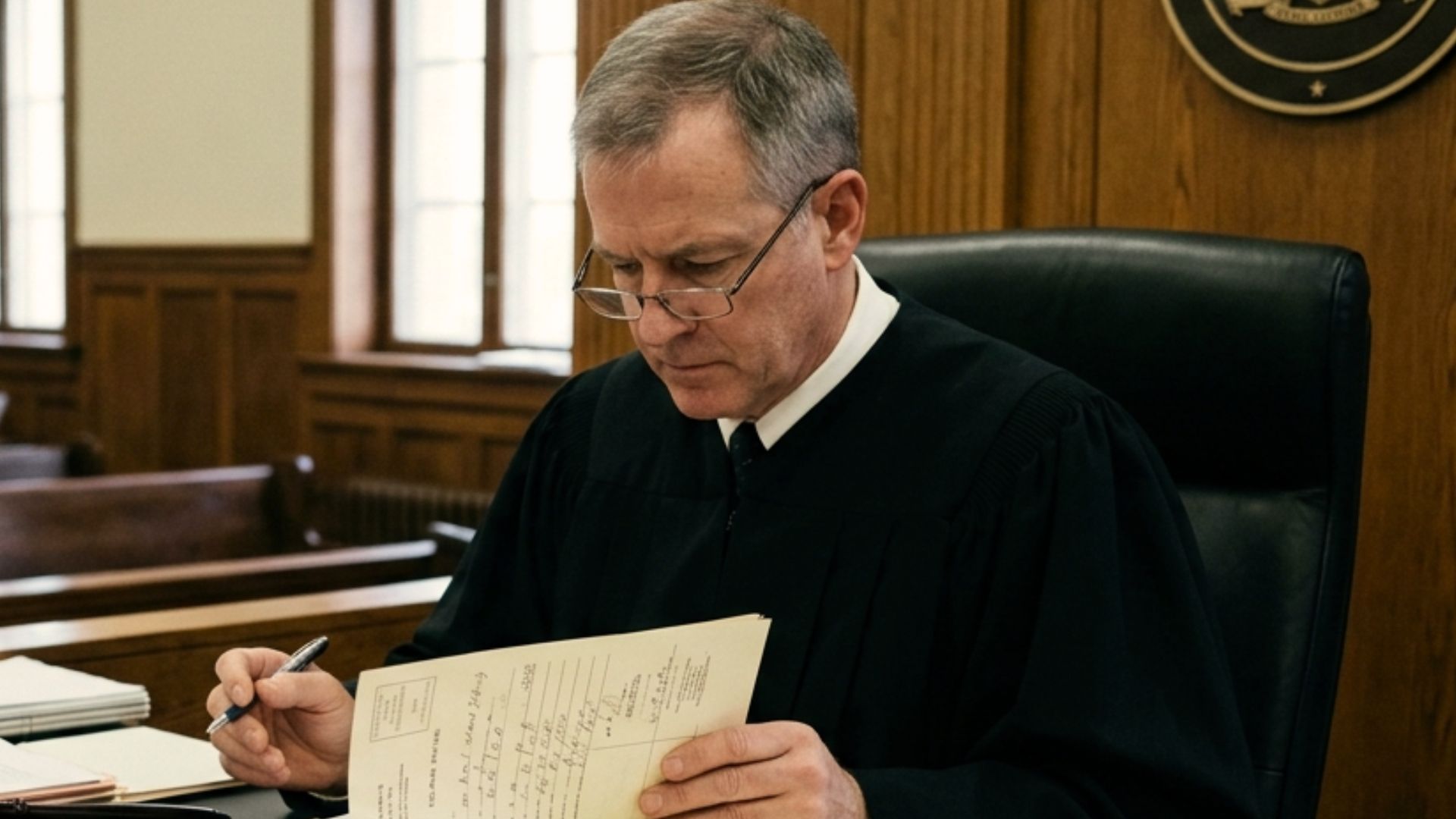
At its core, the probate court in Wisconsin serves as a neutral supervisor.
The court’s primary responsibilities include:
- Validating the will (if one exists)
- Appointing a Personal Representative
- Ensuring debts and taxes are properly handled
- Overseeing the lawful distribution of assets
Rather than managing every detail, the court ensures that the person in charge follows estate law in Wisconsin and fulfills their fiduciary duties.
Formal vs. Informal Court Oversight
Not all probate cases involve the same level of judicial supervision.
Informal Probate
- Minimal court involvement
- No ongoing judge supervision
- Suitable for uncontested estates
Formal Probate
- Increased court involvement
- Required when disputes arise
- Includes hearings and judicial decisions
Choosing between these paths affects how much direct oversight the court will provide during the inheritance process.
Does the Judge Control How Money Is Spent?
A common misconception is that the judge manages the estate’s finances.
In reality:
- The Personal Representative handles daily estate management
- The court does not approve routine expenses
- Oversight is focused on compliance, not micromanagement
However, if concerns arise, such as misuse of funds, the court can step in to investigate.
How the Court Appoints a Personal Representative
The court is responsible for officially appointing the Personal Representative (executor).
Typically:
- The court honors the individual named in the will
- If no will exists, the court follows statutory priority rules
- Background and qualifications may be considered
This appointment is critical, as the Personal Representative carries significant executor duties and legal responsibilities.
Can the Court Remove a Personal Representative?
Yes. If a Personal Representative fails to fulfill their obligations, the court has the authority to intervene.
Grounds for removal may include:
- Mismanagement of estate assets
- Failure to communicate with beneficiaries
- Breach of fiduciary duties
This safeguard ensures that estates are handled responsibly and fairly.
What Happens at a Probate Hearing?
Not every probate case involves hearings, but when they occur, they serve specific purposes.
A probate hearing may address:
- Disputes between beneficiaries
- Questions about the validity of a will
- Requests for court approval on certain actions
Attendance is often limited to involved parties, and many routine cases proceed without formal hearings.
How the Court Protects Creditors and Beneficiaries
The court plays a key role in ensuring fairness.
For Creditors:
- Establishes deadlines for claims
- Ensures valid debts are paid
For Beneficiaries:
- Requires transparency from the Personal Representative
- Reviews final distributions
This balance helps prevent disputes and supports proper estate administration.
Are Probate Records Public?
Yes, most probate court Wisconsin records are public.
This means:
- Information about assets and distributions may be accessible
- Proceedings can be reviewed by interested parties
For families seeking privacy, this is one reason why probate avoidance strategies, such as trusts, are often considered.
What Happens in a Contested Will?
When a will is challenged, the court becomes more actively involved.
Probate litigation may involve:
- Claims of undue influence
- Questions about mental capacity
- Allegations of improper execution
The court evaluates evidence and makes determinations to resolve the dispute according to estate law Wisconsin.
When Does Court Oversight End?
Court involvement continues until the estate is fully administered.
This typically includes:
- Payment of debts and taxes
- Completion of asset distribution
- Filing of final reports
Once these steps are complete and approved, the court formally closes the estate, ending its oversight.
Navigate Probate in Wisconsin with Confidence
While probate in Wisconsin involves court oversight, it is designed to protect, not complicate, the process.
With the right support, you can:
- Fulfill legal responsibilities with confidence
- Minimize delays and misunderstandings
- Ensure a smooth and fair inheritance process