
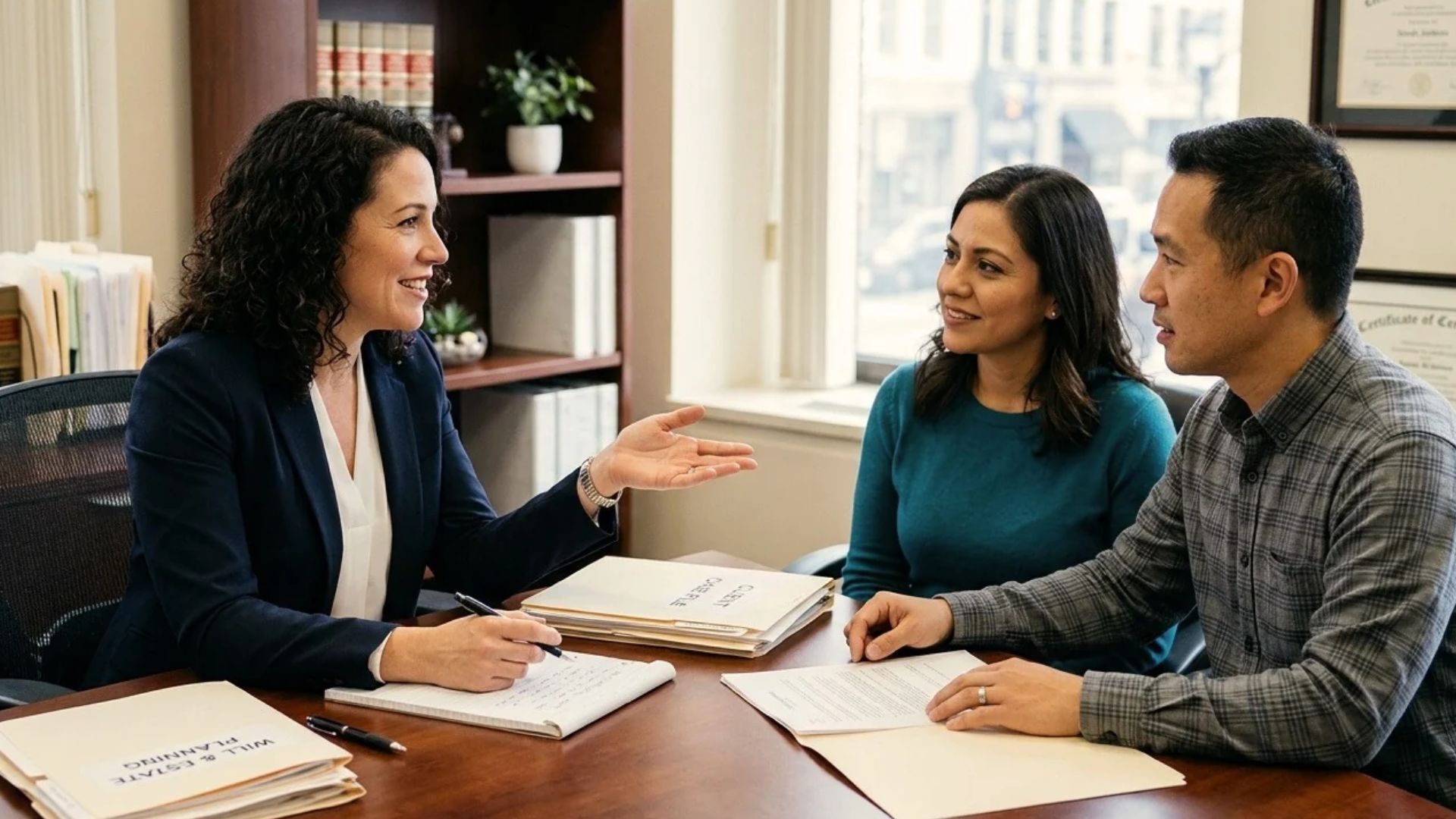
Waiting for an inheritance can feel frustrating, especially when families are already navigating the emotional challenges of losing someone they love.
When bills are accumulating or financial responsibilities cannot wait, receiving an early distribution may seem like a welcome solution. However, taking inheritance funds before the estate is ready can create unexpected legal consequences.
A Wisconsin probate lawyer helps beneficiaries and personal representatives understand inheritance timing, avoid costly mistakes, and explore lawful opportunities to receive assets sooner.
With proper estate administration, families can protect their inheritance without compromising creditor rights or creating unnecessary probate delays.
Why Early Inheritance Distribution Requires Careful Planning
During the probate process, a deceased person’s assets must be identified, outstanding obligations evaluated, and eligible beneficiaries determined.
Personal representative duties include protecting estate assets, addressing creditor claims, handling taxes, and completing distributions according to Wisconsin law.
Distributing funds prematurely may leave insufficient resources to satisfy estate liabilities.
Under Wisconsin law, beneficiaries who receive improper distributions may be required to return assets or their value. Personal representatives can also face consequences for violating their fiduciary duties.
Understanding these risks makes professional legal guidance especially important.
10 Frequently Asked Questions About Early Distribution and Wisconsin Probate
1. What Is an Early Probate Distribution, and Why Can It Create Personal Liability?
An early distribution occurs when beneficiaries receive estate property before final estate settlement.
Wisconsin permits certain partial distributions, but taking assets without proper authorization or sufficient financial safeguards can create liability.
Beneficiaries may have to return improperly distributed property, while personal representatives risk accountability for mishandling estate funds.
2. How Does Informal vs. Formal Probate Affect Inheritance Timing?
Informal probate generally involves less ongoing court supervision, allowing straightforward estates to move through administration more efficiently.
Formal probate requires greater judicial involvement and may be necessary when disputes or legal complications arise.
Neither procedure guarantees immediate inheritance distribution. Proper documentation and legal compliance remain essential.
3. What Are the Risks of Third-Party Inheritance Advances or Probate Loans?
Some companies offer immediate cash in exchange for a portion of an anticipated inheritance.
Although convenient, these arrangements may involve substantial fees, unfavorable repayment terms, or assignments of future inheritance rights.
A Wisconsin probate lawyer can review agreements and determine whether a lawful partial estate distribution offers a better alternative.
4. Can a Wisconsin Probate Lawyer Petition for a Lawful Partial Distribution?
Yes. Wisconsin Statute § 863.01 permits partial distributions before final judgment when other beneficiaries and creditors are not prejudiced.
Court approval is not always required, particularly in informal administration. However, an attorney can seek judicial guidance when necessary.
Adequate reserves and, sometimes, security for returning property help protect the estate.
5. How Long Is Wisconsin’s Creditor Claim Period, and Can It Be Shortened?
Under Wisconsin Statute § 859.01, the probate court or registrar establishes a creditor claim deadline between three and four months after its order.
The initial deadline can therefore be set at three months, but it cannot simply be reduced below the statutory minimum.
Special rules may protect certain creditors, making careful creditor notification essential.
6. What Happens When Estate Real Estate Must Be Sold Before Distribution?
Real estate may represent a substantial portion of an estate’s value.
If selling property is necessary to pay estate debts or divide inheritances, beneficiaries may need to wait for appraisals, title requirements, and closing procedures.
A probate lawyer can coordinate legal requirements and evaluate whether other estate assets support an earlier partial distribution.
7. How Does Proper Tax Planning Protect Early Distributions?
Unpaid taxes can create financial problems after beneficiaries receive inheritance funds.
Executors should account for final income taxes, estate income taxes, applicable estate taxes, and potential liabilities arising from asset sales.
Maintaining sufficient reserves can reduce the risk of recovering previously distributed funds to satisfy outstanding obligations.
8. Can Wisconsin’s Small Estate Affidavit Bypass Probate Entirely?
Potentially.
Under Wisconsin Statute § 867.03, qualifying estates with Wisconsin property subject to administration totaling no more than $50,000 in gross value may use a transfer by affidavit.
This can avoid formal estate administration, but notice requirements, creditor obligations, and restrictions involving certain real estate transfers still apply.
9. How Do Beneficiary Disputes Delay Inheritance Distribution?
Disagreements involving property valuations, inheritance shares, or executor duties can interrupt estate settlement.
A probate lawyer helps clarify beneficiary rights, interpret estate documents, and encourage negotiated solutions.
Addressing conflicts early may prevent expensive litigation and unnecessary delays in asset distribution.
10. How Does Accurate Inventory and Accounting Speed Up Final Distribution?
Precise inventories establish what the estate owns, while detailed accounting documents income, expenses, creditor payments, and distributions.
Accurate records help identify available funds, support fiduciary compliance, and reduce objections.
Organized documentation also makes it easier to prepare the final accounting and complete probate administration.
How a Wisconsin Probate Lawyer Helps Families Receive Their Inheritance Safely
Faster inheritance distribution should never come at the expense of financial security or legal compliance.
A knowledgeable attorney can help personal representatives evaluate estate liabilities, establish appropriate reserves, resolve beneficiary disagreements, and determine when partial distributions are appropriate.
The Wisconsin Court System’s guide to informal estate administration provides additional information about probate procedures and personal representative responsibilities.
At Krause Estate Planning & Elder Law Center, our experienced team provides probate and estate administration services to help families navigate complex estate matters with confidence.
Protect Your Inheritance and Avoid Unnecessary Probate Delays
An inheritance represents more than financial assets. It reflects the hard work, intentions, and legacy of someone who mattered deeply.
Whether you are a beneficiary awaiting distribution or a personal representative managing estate responsibilities, understanding Wisconsin probate law can help prevent expensive mistakes.
Serving Oregon, Madison, Brookfield, Milwaukee, and surrounding Wisconsin communities, Krause Estate Planning & Elder Law Center helps families approach estate settlement with clarity and care.
Contact Krause Estate Planning & Elder Law Center today to schedule a consultation with a Wisconsin probate lawyer and explore lawful ways to protect your inheritance, prevent unnecessary delays, and complete estate administration efficiently.
TL; DR:
- A probate lawyer can help families avoid risky early distribution decisions by ensuring estate debts, taxes, and valid creditor claims are addressed before beneficiaries receive estate assets.
- A Wisconsin probate lawyer can guide the Personal Representative through the probate process, helping balance faster inheritance distribution with proper legal compliance and the requirements of estate law Wisconsin.
- Key personal representative duties, executor duties, and fiduciary duties include identifying estate liabilities, preserving assets, and making sure premature payments do not expose the representative to personal liability.
- Careful probate administration and accurate asset distribution can reduce unnecessary probate delays, protect beneficiary rights, and improve overall inheritance timing without jeopardizing the estate.
- With guidance from a probate lawyer, families can coordinate with the probate court Wisconsin, complete proper estate administration, and move toward a faster, more orderly estate settlement.