
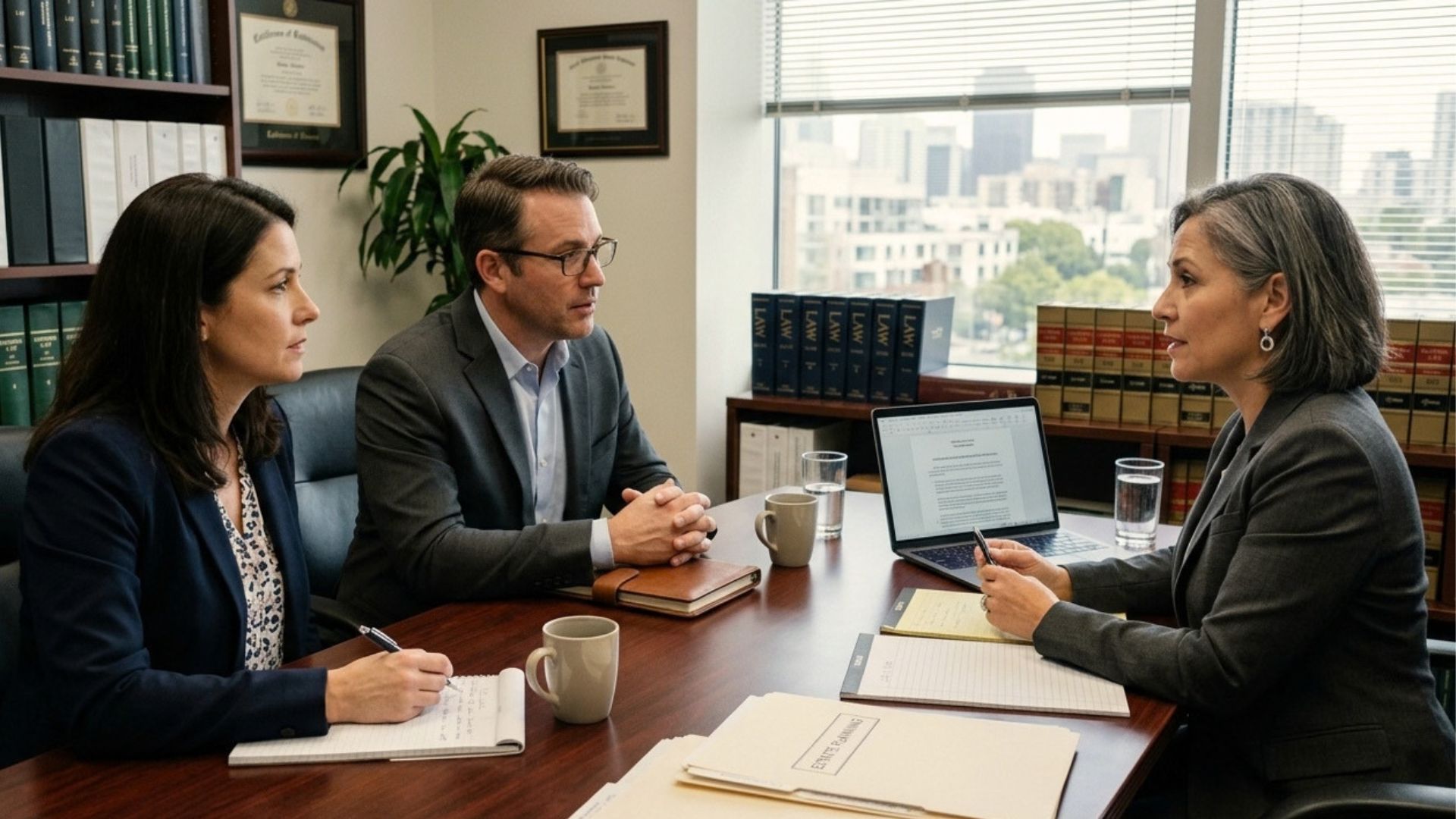
Madison families often build wealth in ways that do not fit neatly into a traditional estate-planning checklist.
A UW–Madison professor may have Wisconsin Retirement System benefits, a 403(b), intellectual-property interests, and a home that has appreciated significantly. Their spouse or partner may own a medical practice, law firm, consulting company, or other professional business. Add young children, blended families, property outside Wisconsin, and demanding careers, and an estate quickly becomes more complicated than “write a will and name the kids.”
Strategic estate planning services can bring those pieces together, creating a coordinated plan for retirement benefits, business interests, incapacity, family protection, and long-term wealth transfer.
Coordinating UW–Madison Retirement Benefits With Your Estate Plan
For many university employees, retirement planning begins with the Wisconsin Retirement System (WRS) and may also include the UW 403(b) Supplemental Retirement Program.
These accounts require their own beneficiary planning.
The Wisconsin Department of Employee Trust Funds states that WRS death benefits are paid according to the most recent valid beneficiary designation on file with ETF, not according to a will. If no designation exists, Wisconsin’s statutory sequence determines who receives eligible benefits.
UW’s 403(b) program operates similarly: participants designate beneficiaries through their recordkeeper, currently including TIAA and Fidelity. UW specifically recommends reviewing these designations after events such as marriage, divorce, or the birth of a child.
A comprehensive estate plan should therefore audit beneficiary forms rather than assuming a new will or trust automatically changes them.
Dual-Career Couples Need Coordinated Wisconsin Estate Planning
Professional couples often have retirement benefits, investment accounts, employer insurance, business interests, deferred compensation, and independently titled assets.
Wisconsin’s Marital Property Act adds another layer. State law generally presumes spouses’ property to be marital property unless an exception or other classification applies, with each spouse generally holding a present one-half interest in marital property. Retirement benefits also receive specialized treatment.
For couples who moved to Madison from another state, reviewing how property is titled and classified can be particularly important.
The goal is for wills, trusts, beneficiary designations, marital-property planning, and business agreements to tell the same story.
University Staff Should Include Intellectual Property
For academics and researchers, an estate inventory may contain assets that cannot be found on a bank statement.
Patents, licensing income, copyrights, software, publications, and royalty interests should all be reviewed.
UW–Madison requires faculty, staff, and students to disclose inventions arising from university duties, university resources, or university funding. Depending on funding agreements and federal requirements, rights may need to be assigned to the Wisconsin Alumni Research Foundation, while other inventions may remain available to the inventor after the university’s ownership review.
Estate planning should identify what the individual actually owns, what royalty rights may continue after death, and who should receive those interests.
Protecting Professional Practices During Incapacity
For physicians, attorneys, consultants, and other professional partners, death is only one risk.
What happens if the owner suffers a stroke or serious accident on Monday morning?
Business continuity planning may coordinate:
- Financial Powers of Attorney
- Revocable living trusts
- Operating or partnership agreements
- Buy-sell provisions
- Successor management
- Business insurance
- Access to payroll and banking
- Ownership-transfer restrictions
Professional entities may also be subject to licensing and ownership restrictions, making generic DIY estate documents particularly risky.
Trust Planning and Madison Real Estate
A properly funded revocable living trust can help qualifying assets avoid probate and provide management during incapacity.
That can be particularly useful for Madison families owning substantial real estate or property in multiple states. Individually owned property outside Wisconsin may otherwise require a separate probate proceeding where that property is located.
Dane County maintains formal, informal, ancillary, and other probate proceedings for estates requiring court administration.
The critical word is funded. Signing a trust without transferring appropriate property into it may leave the family with probate anyway.
Madison professionals often have careers, benefits, businesses, and family structures that require more than a basic will. Krause Estate Planning & Elder Law Center provides estate planning services to help university staff, professional couples, and growing families coordinate retirement accounts, trusts, real estate, intellectual property, businesses, incapacity planning, and long-term legacy goals. Contact us today to build an estate plan designed to keep pace with the life you are building.
Frequently Asked Questions
1. How should UW employees coordinate WRS and 403(b) benefits?
Review ETF and 403(b) beneficiary designations alongside the will and trust. Those beneficiary forms can control independently of estate documents.
2. What challenges do dual-career couples face?
Multiple retirement plans, businesses, insurance policies, real estate, and demanding schedules can create conflicting ownership and beneficiary arrangements.
3. Does Wisconsin marital property law matter?
Yes. Spouses should understand which assets are marital or individual property before designing the inheritance plan.
4. How should university intellectual property be handled?
First determine what rights the researcher actually owns under UW, WARF, federal, and sponsor agreements, then coordinate transferable rights and royalty interests with the estate plan.
5. How can professional practices survive incapacity?
Coordinate POAs, trusts, entity agreements, successor management, and any professional licensing requirements.
6. Can faculty include charitable giving to universities?
Yes. Options may include charitable bequests, trust provisions, beneficiary designations, and lifetime gifts, depending on tax and family goals.
7. What about blended families or unmarried partners?
Do not rely on default inheritance rules. Use explicit wills, trusts, beneficiary designations, property planning, and healthcare documents to define rights clearly.
8. Can trusts avoid probate for real estate?
Properly titled trust property can generally avoid ordinary probate administration, including potentially additional proceedings for out-of-state property.
9. How do parents protect minor children’s inheritances?
A will can nominate guardians, while a trust can keep inherited assets under responsible management rather than distributing significant wealth directly to a young beneficiary.
10. What incapacity documents should professionals have?
Wisconsin provides a Power of Attorney for Finances and Property, Power of Attorney for Health Care, Living Will, and Authorization for Final Disposition.
TL; DR:
- Estate planning services can help modern Madison families coordinate complex careers, benefits, property, and family responsibilities through a comprehensive Madison estate planning strategy tailored to university staff estate planning and professional partners.
- Thoughtful Wisconsin estate planning should align wills and trusts, trust planning, and beneficiary planning with employer benefits, retirement accounts, and long-term retirement planning goals.
- Strong family estate planning can support asset protection, probate avoidance, and incapacity planning, helping families prepare for unexpected events while maintaining continuity in financial and personal decision-making.
- Coordinating financial planning, wealth transfer, and family wealth planning with estate law Wisconsin can help professional households preserve assets and reduce conflicts during future estate administration.
- By combining professional estate planning with clear legacy planning, Madison families can build a more resilient plan that protects loved ones, supports long-term goals, and adapts as careers, relationships, and financial circumstances evolve.