
TL;DR:
- American culture has been deeply shaped by radio, and National Radio Day celebrates how American radio transformed the way people experienced news, music, entertainment, and national events.
- The rise of radio broadcasting and local radio stations changed mass communication, helping information travel faster while giving news media and journalism history a powerful new platform.
- Radio also revolutionized music history by introducing audiences to new genres, artists, and popular music, making audio entertainment a central part of everyday life.
- Advances in communication technology and the growth of broadcast media and public broadcasting expanded radio’s reach, influencing politics, education, entertainment, and broader media evolution.
- From early broadcasting history to today’s evolving radio industry, radio’s lasting cultural influence shows why it remains an important part of entertainment history and the story of American culture.
Long before smartphones, streaming platforms, podcasts, and social media feeds, one technology could bring breaking news, live music, sports, comedy, and national events directly into the family living room: the radio.
Observed each year on August 20, National Radio Day celebrates a medium that helped transform mass communication and left an unmistakable mark on American culture. From presidential election results and wartime news to jazz, baseball, soap operas, and Top 40 hits, radio allowed millions of people to experience the same stories and sounds at the same moment.
Even as communication technology has evolved, the influence of American radio remains embedded in the way people consume news, discover music, and connect with their communities.
Radio History Changed How Americans Received News
The rise of radio broadcasting fundamentally changed the speed at which information could reach the public.
The Federal Communications Commission identifies KDKA in Pittsburgh’s November 2, 1920 broadcast of presidential election results as the first commercial radio broadcast in the United States. Instead of waiting for the next newspaper edition, listeners could hear updates as events unfolded.
That ability helped establish broadcast media as a powerful source of public information.
Over the following decades, American radio brought listeners:
- Election coverage
- Presidential speeches
- Wartime reports
- Breaking news
- Weather information
- Sports broadcasts
- Local community announcements
Radio helped create the expectation that major events could be experienced almost immediately, an idea that still shapes modern news media today.
American Radio Brought Entertainment Into the Home
News was only part of radio’s appeal.
During the early decades of broadcasting, families could gather around the radio for comedy programs, dramas, quiz shows, serialized stories, sports, educational programming, and live musical performances.
The Smithsonian’s history of American broadcasting describes the development of comedy, variety shows, thrillers, sports, daytime programming, educational broadcasts, and the early soap opera during radio’s network era.
Before television became dominant, radio was often the centerpiece of household entertainment.
That shared listening experience gave families common characters, catchphrases, songs, and stories that became part of popular American culture.
Radio Transformed Music History
Radio also changed how musicians reached audiences.
Before broadcasting, discovering new music often depended on live performances, sheet music, or physical recordings. Radio stations suddenly allowed a song performed in one place to reach listeners hundreds or thousands of miles away.
The Smithsonian notes that radio, alongside the phonograph and other sound technologies, became deeply integrated into everyday American life and changed the public’s relationship with music.
Over time, radio helped expand audiences for:
- Jazz
- Country
- Blues
- Rock and roll
- Rhythm and blues
- Pop music
- Regional musical traditions
DJs and radio stations became cultural tastemakers, introducing listeners to new performers and helping songs cross geographic and social boundaries.
Radio Helped Create a Shared National Culture
Perhaps radio’s greatest cultural influence came from its ability to connect distant communities.
A family in Wisconsin could listen to the same national program as someone in Texas, New York, or California. At the same time, local radio stations preserved regional identities through community news, local personalities, music, weather, sports, and public affairs programming.
This combination made radio both national and deeply local.
Educational broadcasting also became part of that story. In 1936, the Smithsonian launched The World Is Yours, a weekly NBC educational radio program that ultimately ran for nearly six years and explored subjects connected with science, history, culture, and Smithsonian collections.
Radio was not simply entertainment. It became a classroom, newsroom, concert hall, and community bulletin board.
From Broadcast Radio to Podcasts and Streaming
Radio has repeatedly adapted to new technology.
FM broadcasting improved audio quality. Car radios made listening part of everyday travel. Portable radios brought news and music outside the home. Satellite broadcasting expanded choice, while internet radio and digital streaming removed geographic boundaries.
Today, podcasts and audio streaming may feel distinctly modern, but many of their foundations are familiar:
- Hosts building loyal audiences
- Serialized storytelling
- Interviews and commentary
- Music discovery
- Live news
- Talk programming
In many ways, modern digital audio represents the next chapter in a much longer broadcasting history.
National Radio Day Celebrates More Than Technology
National Radio Day is ultimately about the people and memories attached to the medium.
For one generation, radio might mean hearing a baseball game with a parent. For another, it might mean discovering a favorite song during a late-night drive. Others may remember local personalities, emergency broadcasts, political moments, or family gatherings built around programs everyone knew.
Those memories demonstrate why media becomes part of cultural heritage.
Technology changes, but the experiences associated with it often remain.
Preserving the Stories Behind Our Family History
Family history is preserved in similar ways.
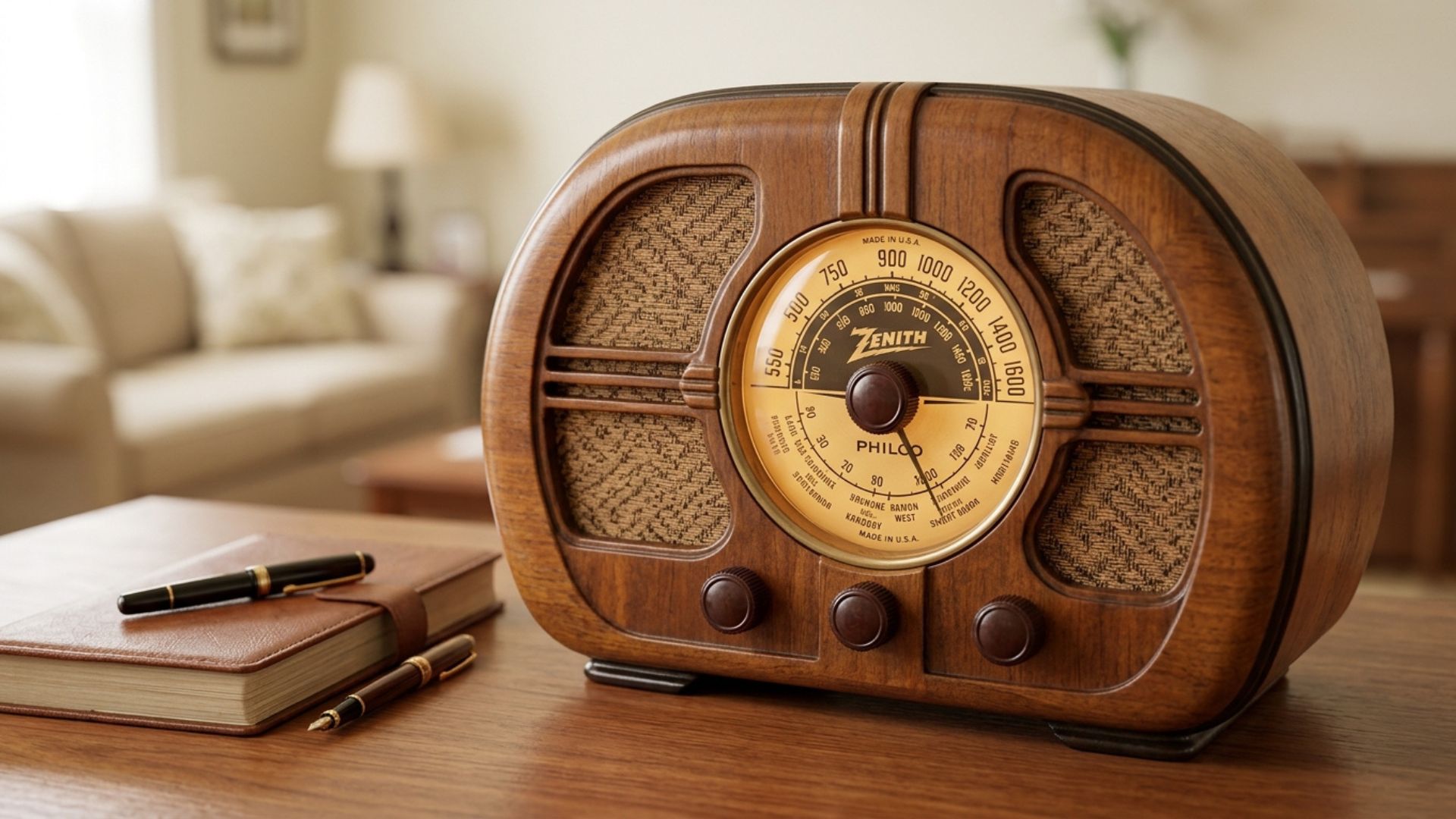
A vintage radio, record collection, handwritten letter, photograph, or seemingly ordinary household object can carry meaning because of the person and story connected to it.
Estate planning can protect financial assets, but families may also want to consider how heirlooms, recordings, photographs, collections, and personal stories should pass to future generations.
Clear instructions can prevent meaningful property from becoming just another item divided during estate administration.
Preserving a legacy sometimes begins by explaining why something mattered.
Celebrating Radio’s Place in American Culture
National Radio Day gives us an opportunity to appreciate a technology that transformed journalism, music, entertainment, and communication.
From the earliest commercial broadcasts to today’s digital audio landscape, radio helped create a shared soundtrack for generations of Americans. It delivered urgent news, launched musical careers, entertained families, and gave local communities a voice.
More than a century after commercial broadcasting began, its cultural influence can still be heard everywhere.
A family legacy is made up of more than financial assets. It includes stories, traditions, collections, and meaningful objects that connect one generation to the next. Krause Estate Planning & Elder Law Center helps Wisconsin families create thoughtful estate plans that protect both valuable property and the memories attached to it. Contact us today to begin planning how your family’s story will be preserved for generations to come.