
TL;DR:
- Humanitarian rights are at the heart of World Humanitarian Day, honoring the principles of dignity, safety, and basic human rights for people affected by war, disaster, displacement, and other global crises.
- Humanitarian workers and aid organizations play a critical role in delivering humanitarian aid, emergency relief, and emergency assistance to vulnerable communities facing conflict, natural disasters, and humanitarian emergencies.
- Effective crisis response and disaster response depend on coordinated humanitarian action, strong crisis management, and sustained relief efforts that prioritize the needs of civilians and affected families.
- In conflict zones, humanitarian law and civilian protection are essential for safeguarding lives, preserving access to assistance, and defending fundamental humanitarian rights even under the most difficult conditions.
- World Humanitarian Day also celebrates the courage of humanitarian heroes while encouraging global solidarity, greater awareness, and a continued commitment to social justice and compassionate action worldwide.
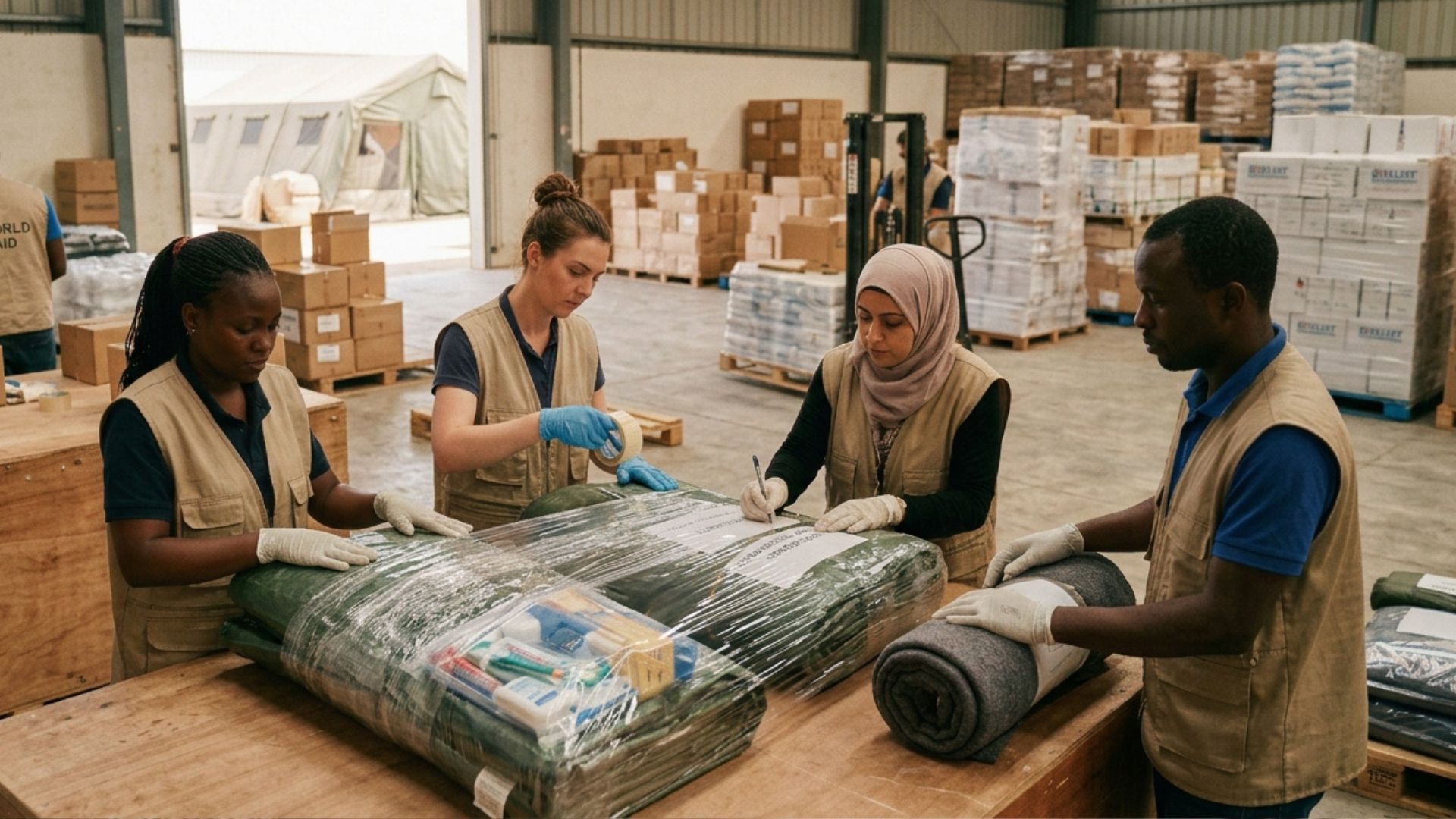
When war, natural disaster, displacement, or another emergency disrupts everyday life, humanitarian workers often enter situations that most people are trying desperately to escape. They distribute food, provide medical treatment, restore access to clean water, reunite families, establish emergency shelter, and help communities survive periods of extraordinary uncertainty.
Observed every year on August 19, World Humanitarian Day honors humanitarian workers while standing in solidarity with people affected by crises around the world. The United Nations describes the occasion as a time to recognize those who step into emergencies to help others and to advocate for the survival, dignity, and protection of people in need.
At its heart, the observance reminds us that humanitarian rights are not abstract principles. They concern the safety, dignity, treatment, and basic needs of real people living through some of humanity’s most difficult moments.
Why World Humanitarian Day Is Observed on August 19
The date carries a solemn history.
World Humanitarian Day commemorates the August 19, 2003 bombing of the United Nations headquarters at the Canal Hotel in Baghdad, which killed 22 humanitarian workers, including UN Special Representative Sergio Vieira de Mello. The United Nations General Assembly later designated August 19 as World Humanitarian Day.
Today, the observance recognizes humanitarian personnel working across conflict zones, disaster areas, refugee communities, and other emergencies.
The UN’s current World Humanitarian Day campaign calls on the international community to #ActForHumanity, emphasizing the growing strain on humanitarian systems and the need to protect both civilians and those delivering assistance.
Humanitarian Rights During Armed Conflict
During armed conflict, international humanitarian law establishes rules intended to reduce human suffering.
The Geneva Conventions and their Additional Protocols provide protections for people who are not participating in hostilities, including civilians, medical workers, and humanitarian personnel, as well as people who can no longer fight because they are wounded, sick, detained, or otherwise protected.
The International Committee of the Red Cross explains that civilians must be treated humanely and protected from violence and degrading treatment. Humanitarian relief personnel must likewise be respected and protected so that assistance can reach civilian populations in need.
These protections become particularly important when humanitarian aid must cross front lines or reach communities cut off from food, medical care, and essential services.
Humanitarian Workers Do More Than Deliver Supplies
Emergency relief is often imagined as boxes of food, bottled water, and temporary shelters. Those services matter enormously, but humanitarian action is much broader.
Humanitarian workers may provide:
- Emergency medical assistance
- Food and clean water
- Temporary shelter
- Sanitation services
- Civilian protection
- Family reunification support
- Assistance for displaced people
- Psychological and social support
- Logistics and crisis coordination
Humanitarian organizations also work to protect dignity and help communities rebuild the systems needed to recover.
In 2026, humanitarian organizations continue to operate amid enormous global need. OCHA’s Global Humanitarian Overview has described hundreds of millions of people as requiring humanitarian assistance or protection, illustrating the scale confronting relief organizations worldwide.
The Risks Faced by Humanitarian Heroes
Humanitarian workers frequently operate in unstable environments where infrastructure has collapsed and security conditions can change quickly.
International humanitarian law protects relief personnel and objects used in humanitarian operations. The ICRC notes that respecting their safety is essential because attacks against humanitarian personnel do not only endanger aid workers; they can also prevent assistance from reaching entire civilian populations.
That makes the protection of aid workers inseparable from the protection of the people they serve.
Behind every humanitarian operation are individuals making difficult choices: doctors treating patients with limited supplies, logistics teams moving food through dangerous areas, local volunteers helping neighbors, and relief workers separated from their own families while assisting others.
World Humanitarian Day gives those contributions the recognition they deserve.
Global Solidarity Begins With Local Action
Humanitarian action may occur thousands of miles away, but support does not have to.
Individuals and families can participate in relief efforts by:
- Supporting reputable aid organizations
- Donating responsibly during disasters
- Volunteering within local communities
- Learning about humanitarian law
- Supporting refugees and displaced families
- Promoting accurate information during crises
- Teaching younger generations about compassion and service
Global solidarity becomes meaningful when empathy is translated into action.
Creating a Legacy of Compassion
The principles behind humanitarian work also raise a larger question: What do we want our own resources and values to accomplish after us?
Many families use legacy planning to support causes that reflect deeply held beliefs. Charitable giving through an estate plan may allow someone to support humanitarian organizations, educational institutions, community programs, healthcare initiatives, or other causes long after their lifetime.
Depending on the family’s objectives, charitable intentions may be incorporated through:
- A will
- A revocable or irrevocable trust
- Beneficiary designations
- Charitable trusts
- Gifts through an estate
- Family foundations or donor-advised strategies
Estate planning is ultimately about directing resources toward the people and purposes that matter most.
Honoring Humanitarian Rights Beyond World Humanitarian Day
World Humanitarian Day reminds us that humanity is often most visible during its hardest moments.
Humanitarian workers cannot prevent every conflict or disaster. What they can do is stand beside people when safety, shelter, healthcare, and dignity are suddenly uncertain.
Protecting humanitarian rights requires governments, institutions, aid organizations, communities, and individuals to recognize that even during crisis, basic human dignity should never become optional.
And while few of us will work on the front lines of a global emergency, everyone can decide what kind of compassion, responsibility, and generosity they want to leave behind.
A lasting legacy can support not only the people you love but also the causes and communities that reflect your deepest values. Krause Estate Planning & Elder Law Center helps Wisconsin families coordinate wills, trusts, beneficiary plans, and charitable giving strategies that preserve both wealth and purpose. Contact us today to create an estate plan that ensures what matters to you continues making a difference for generations to come.