
TL;DR:
- International Museum Day highlights the enduring importance of museums in preserving history, identity, and knowledge in an increasingly fast-moving digital age.
- Through cultural preservation and historical preservation, institutions like art museums and history museums safeguard global stories and shared human experiences.
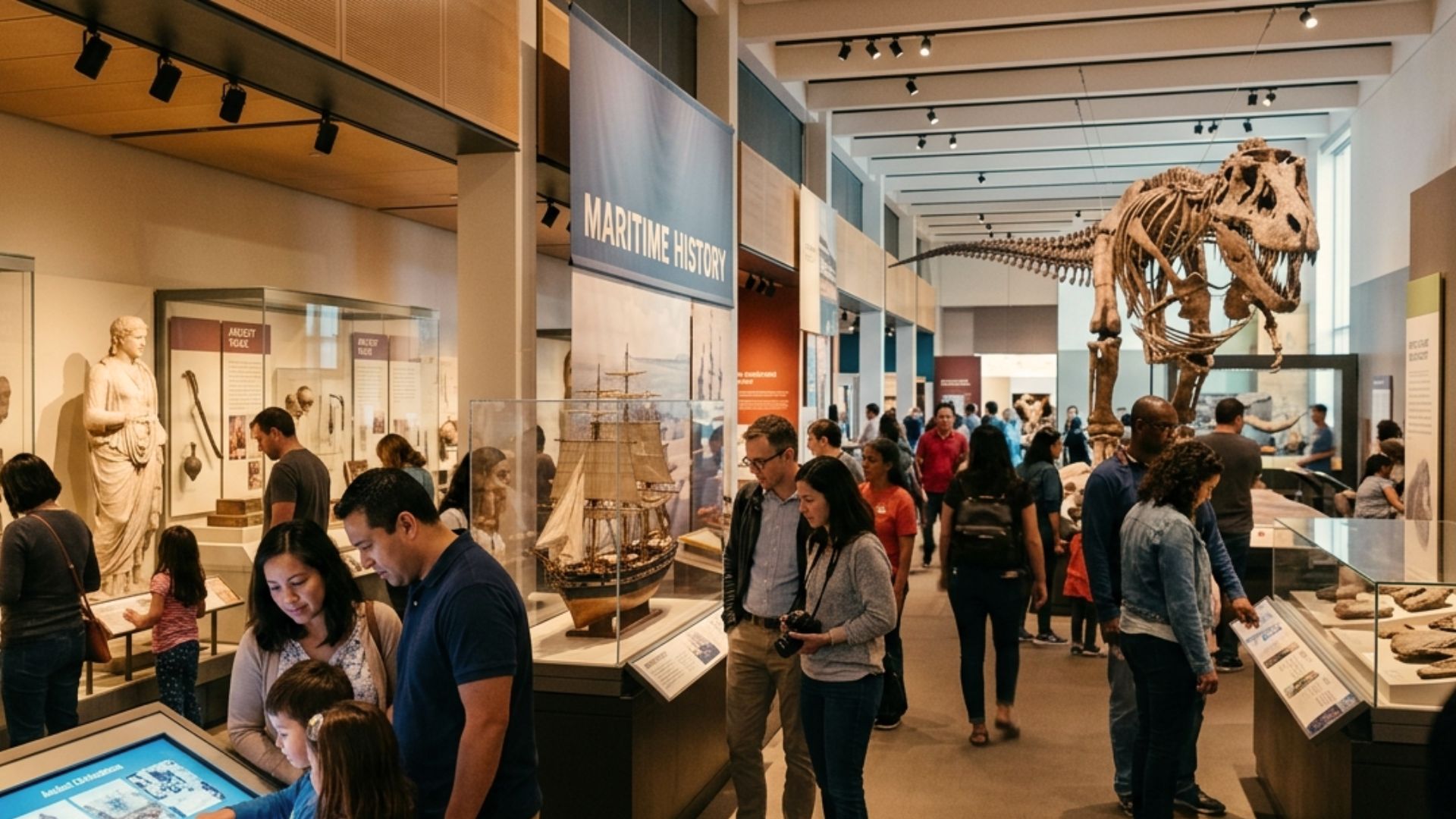
- Modern museums serve as vital educational institutions, using interactive exhibits and immersive museum experiences to engage new generations.
- By promoting cultural awareness, public history, and deeper understanding of societies, museums continue to strengthen appreciation for cultural heritage.
- International Museum Day also emphasizes the importance of heritage conservation, proving that physical spaces for learning and reflection remain essential alongside digital technology.
In a world driven by smartphones, streaming platforms, artificial intelligence, and constant digital connectivity, some people wonder whether museums still hold the same relevance they once did. Yet every year, International Museum Day reminds us that museums remain far more than buildings filled with artifacts, they are living spaces that preserve memory, culture, education, and identity.
Even in the modern digital age, museums continue to play a critical role in helping societies understand the past, engage with the present, and prepare for the future.
The Purpose Behind International Museum Day
Celebrated globally each year, International Museum Day highlights the importance of museums as institutions that foster:
- Cultural preservation
- Public education
- Historical awareness
- Community engagement
- Global understanding
The day encourages people to recognize how museums contribute to society far beyond tourism or entertainment.
Whether through art, science, history, or culture, museums help preserve the stories that shape civilizations and communities.
Museums as Guardians of Cultural Heritage
One of the most important functions of museums is protecting cultural heritage.
Museums safeguard:
- Historical artifacts
- Artwork
- Documents
- Photographs
- Indigenous histories
- Community traditions
Without these efforts, countless pieces of human history could be lost over time.
In many ways, museums act as long-term custodians of collective memory, preserving not just objects, but the stories and identities connected to them.
This mission of heritage conservation remains essential in a rapidly changing world.
Why Museums Still Matter in the Digital Age
Technology has transformed how people access information. Virtual tours, online archives, and digital exhibits now allow global audiences to engage with collections remotely.
However, digital access has not replaced the value of physical museum experiences.
Museums continue to provide:
- Human connection to history
- Immersive educational experiences
- Physical interaction with artifacts and exhibits
- Community dialogue and reflection
Standing in front of a centuries-old artifact or experiencing an interactive exhibit in person creates a level of emotional engagement that screens alone often cannot replicate.
Museum Education and Lifelong Learning
Museums remain powerful educational institutions for both children and adults.
Through museum education, visitors gain opportunities to:
- Explore historical events
- Understand scientific discoveries
- Engage with cultural traditions
- Develop critical thinking skills
Unlike traditional classrooms, museums often encourage self-directed learning through curiosity and exploration.
Interactive exhibits, guided tours, and hands-on experiences help make learning more engaging and memorable across generations.
Museums Help Build Cultural Awareness
In an increasingly connected world, cultural understanding has become more important than ever.
Museums help foster:
- Empathy
- Cross-cultural understanding
- Historical perspective
- Respect for diverse traditions
Whether visiting art museums, history museums, or local cultural institutions, people are exposed to stories and perspectives beyond their own experiences.
This role in promoting cultural awareness helps strengthen communities and encourage meaningful dialogue.
The Evolution of Museums in Modern Society
Museums are not static institutions. Many have evolved significantly in response to changing technology and audience expectations.
Modern museums increasingly incorporate:
- Interactive exhibits
- Digital storytelling
- Virtual reality experiences
- Multimedia presentations
- Online collections
Rather than resisting technology, museums are blending traditional preservation with modern accessibility.
This evolution allows museums to remain relevant while continuing their core mission of historical preservation.
Museums and Public History
Museums also play a major role in preserving and presenting public history.
Public history helps communities:
- Understand local identity
- Preserve regional stories
- Reflect on social progress
- Learn from historical mistakes
By making history accessible and engaging, museums help ensure important lessons are not forgotten.
Why Preservation Still Matters
The digital age moves quickly. Information is constantly updated, replaced, or lost. In contrast, museums offer continuity and permanence.
Preserving history matters because it:
- Protects cultural identity
- Connects generations
- Provides historical context
- Encourages thoughtful reflection
Without preservation efforts, future generations may lose access to the stories that shaped the world they inherit.
Museums and Legacy
At their core, museums are about legacy, preserving meaningful stories, achievements, and memories for future generations.
That idea extends beyond public institutions and into family life as well. Just as museums preserve history, thoughtful planning helps families preserve their own stories, values, and legacies.
Whether through photographs, heirlooms, or estate planning, preservation remains deeply important on both cultural and personal levels.
Preserving What Matters Most
At Krause Estate Planning and Elder Law Center, we understand the importance of preserving legacies, both personal and financial.
Just as museums protect history for future generations, thoughtful estate planning helps protect the people, values, and memories that matter most to your family.